


The Hyrox Training Kit You Can Use at Home Between Sessions
Hyrox prep does not live entirely in the gym. A lot of the work that makes the real difference happens between sessions: the recovery days, the mobility work, the prehab exercises that keep your hips and knees functioning properly under load week after week.
You do not need a full home gym set-up to do any of this. The right kit is compact, affordable, and earns its place in a Hyrox training block. Here is what is worth having:
Resistance Bands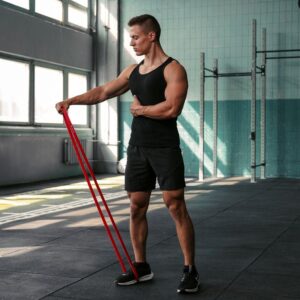
If you train for Hyrox, resistance bands should already be part of your routine. They are used in warm-ups to activate the glutes and hips before running and loaded stations, and in prehab work for the injuries that most commonly affect Hyrox athletes: Achilles tendinopathy, hamstring strains, and knee pain under load.
Banded clamshells, lateral walks, and terminal knee extensions build the hip stability that protects your knees through the sled stations and sandbag lunges. Trimband and Theraband are both trusted by physiotherapy clinics across the UK. The colour-coded resistance system makes progression straightforward.
Resistance bands can also be used in Hyrox training sessions in the place of weighted equipment used for stations, this is really useful if you have limited access to the specific equipment needed. For example, a large loop band stood on under the feet and in the hands can be used to mimic the motions of wall balls.
Foam Roller
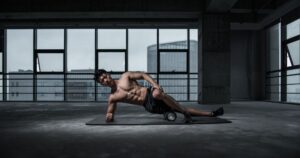
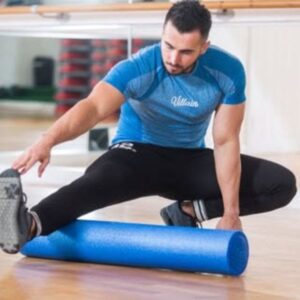
Training for Hyrox means stacking sessions across a long block. That volume accumulates in the quads, calves, and upper back, particularly. Foam rolling for ten minutes after each session keeps the muscles moving freely, reduces tension, and catches small areas of tightness before they become a problem. A 90cm roller gives you enough length to work the full back and both legs properly.
Hot and Cold Packs
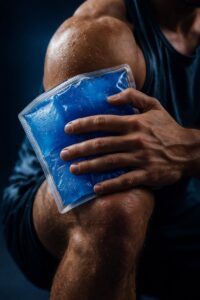
Cold for acute soreness and swelling in the first 24 to 48 hours after a hard session. Heat for tight, stiff muscles from 48 hours onwards. A reusable gel pack covers both. The Theraflex packs from trimbio are designed for repeated clinical use, stay flexible when frozen, and do the job well for home recovery.
TENS Machine
When soreness from a heavy session is affecting sleep or the next day's training, a TENS machine takes the edge off without medication. The TENS One is a reliable home unit, straightforward to use, and comes at an affordable cost — less than a single physio appointment.
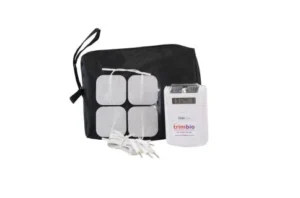 |
| Shop: TENS One Machine at trimbio |
Kinesiology Tape
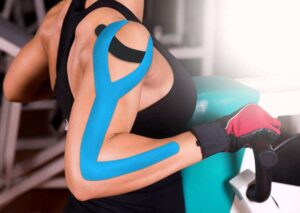
Pre-taping during a Hyrox training block helps manage load on joints that are under repeated stress. Knee, calf, and lower back applications are the most common. It moves with the body, stays on for several days, and is water resistant. Cut your strips before sessions rather than mid-warm-up.
 |
For the full picture on how to prepare for race day and what to do with your body afterwards, start with our Complete Preparation Guide.
Read next: Why Your Knees and Hips Hate Sandbag Lunges (And What to Do About It)