

Free Delivery over £75 ex VAT
*Excl. Reconditioned Equipment & Medical Furniture

Payment Options Available
We accept Klarna, VISA, Mastercard & AMEX

UK Offices & Warehouse
Dispatched within 2 days. Next-day upgrade:£2.99+VAT

Proud Supplier to the NHS
To Trusts across the United Kingdom
Balance

Balance
Wobble boards, balance boards, wobble cushions, and balance pads for proprioception retraining and rehabilitation. The range covers multi-directional wobble boards for ankle and knee rehabilitation, an adjustable slant and balance board that combines proprioception work with achilles and calf loading, seated instability tools for lumbar stabilisation and pelvic floor programmes, and foam balance pads for earlier rehabilitation stages. Most products are suitable for both clinic use and home exercise prescription. If you're pairing balance training with tape, we stock Kinesiology Tapes, Zinc Oxide & Fixation Tapes and RockTape alongside this range, and Trimband resistance bands for progressive lower limb strengthening work.
Explore our range of balance training products, designed to improve joint stability, balance, and proprioception. Featuring tools like balance boards, wobble cushions, and balance pads, these products challenge your stability while strengthening your core muscles.
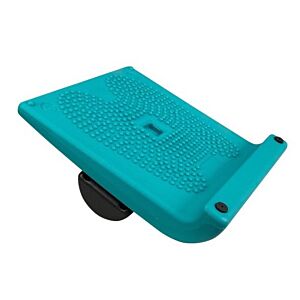
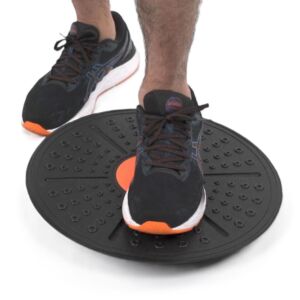
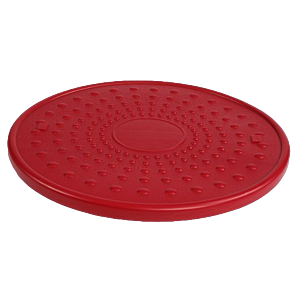
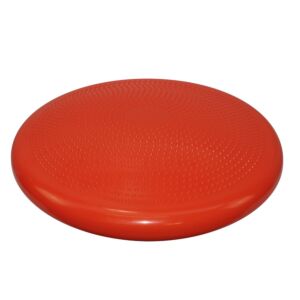
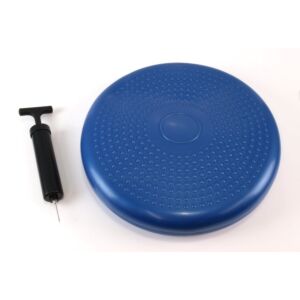
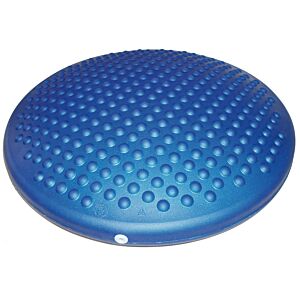
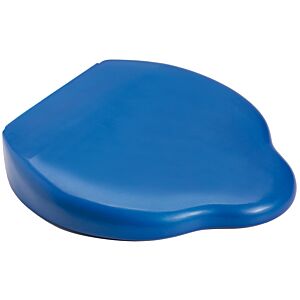
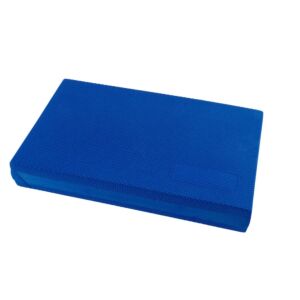
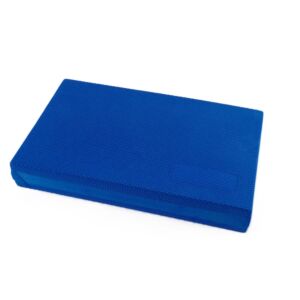
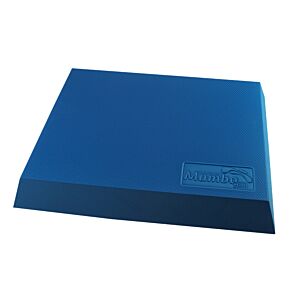
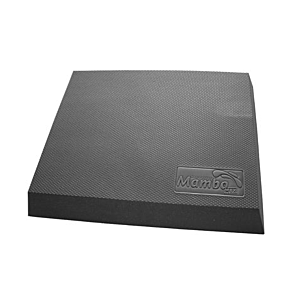

If you're running ankle rehab programmes, lower limb return-to-sport, or knee rehabilitation in a physiotherapy or sports therapy setting, this range covers the tools you'll reach for most. From early-stage balance pads and seated instability tools for lumbar and pelvic floor work, through to multi-directional wobble boards and the adjustable slant board for combined proprioception and achilles loading. The peroneal latency deficit that persists after apparent ankle recovery and quadriceps inhibition following knee injury is addressed through progressive balance training, and most products here are suitable for clinic use and home exercise prescription. If you're pairing balance training with tape, we stock Kinesiology Tapes, Trimtape, RockTape and more!
What is a balance board used for in physiotherapy?
Primarily, proprioceptive retraining after lower limb injury, chronic ankle instability, and return-to-sport programmes. Also used for core and lumbar stabilisation, fall prevention in older adults, and closed kinetic chain upper limb rehabilitation when placed on a plinth. Randomised controlled trial evidence supports wobble board training for reducing recurrent ankle sprains and functional instability following lateral ankle sprain.
What are the different types of balance boards?
Three main types in clinical use. Wobble boards have a dome base allowing 360-degree multi-directional movement, the most commonly prescribed for ankle and knee rehabilitation because instability occurs in all planes, not one. Combination boards, like the adjustable slant and balance board in this range, function as both a wobble board and an adjustable incline, covering achilles and calf loading alongside proprioception work. Wobble cushions and balance pads provide a softer, less reactive surface for earlier stages, seated proprioception, and lumbar stabilisation.
How much do balance boards cost?
The range runs from £9.95 for the body wobble balance board to £47.95 for the large wobble cushion. Most clinical wobble boards sit between £12 and £30 ex VAT. The adjustable slant and balance board at £18.95 is the most versatile single product, given its dual function. For bulk purchasing for home exercise prescription, contact the team for pricing.
Are balance boards really worth it?
A systematic review found wobble board training produced the greatest average improvement in dynamic postural control for chronic ankle instability, outperforming whole-body vibration training directly in meta-analysis. For the cost, the evidence base is unusually strong. The more relevant clinical question is which type suits the patient's stage of rehabilitation and presenting condition, rather than whether balance training has value.
Do balance pads retain their instability properties over time with heavy clinical use?
Foam balance pads compress and lose reactivity with repeated use, particularly if left under load between sessions. Rotating between two pads in a busy clinic extends their useful life. When a pad no longer returns to its original shape after unloading, the proprioceptive challenge is significantly reduced, and replacement is worth considering.
Can two balance pads be stacked to increase instability?
Yes, and it's a common progression. Stacking two pads significantly increases the instability demand and shifts the challenge from ankle and knee stabilisers toward hip and core, useful when a single pad no longer provides sufficient challenge, but a wobble board introduces too much reactive movement.