

Free Delivery over £75 ex VAT
*Excl. Reconditioned Equipment & Medical Furniture

Payment Options Available
We accept Klarna, VISA, Mastercard & AMEX

UK Offices & Warehouse
Dispatched within 2 days. Next-day upgrade:£2.99+VAT

Proud Supplier to the NHS
To Trusts across the United Kingdom
Semi Automatic Defibrillators

Semi Automatic Defibrillators
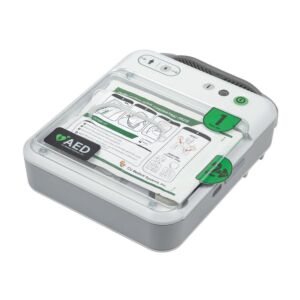
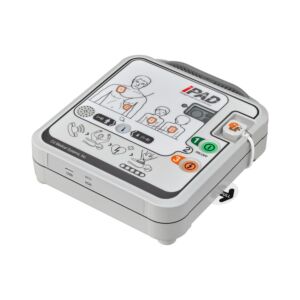
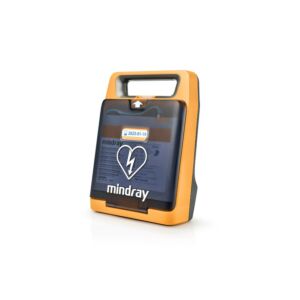
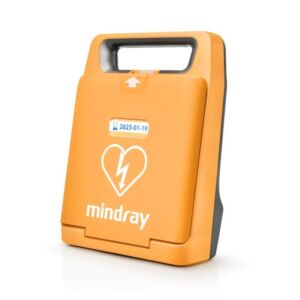
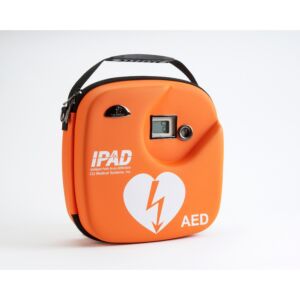
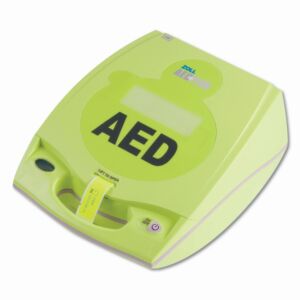
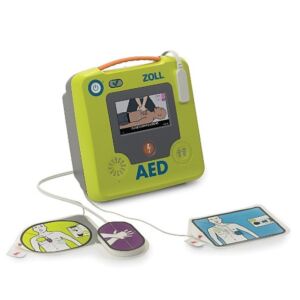
A semi-automatic AED analyzes a person’s heart rhythm and indicates if a shock is needed. The user then presses a button to deliver the shock, giving them full control. These devices are safe for anyone to use, including untrained bystanders, because they will only allow a shock when it is medically appropriate.
How They Work
-
Analysis: The AED checks the heart rhythm to determine if a shock is required.
-
Guidance: Clear audio and/or visual prompts tell the user what to do.
-
Shock Delivery: The user must press a button to deliver the shock; the AED will not shock automatically.
-
Safety: Built-in safeguards prevent unnecessary shocks and warn bystanders not to touch the patient during delivery.
-
![]()
-
![]()
-
![]()
-
![]()
-
![]()
-
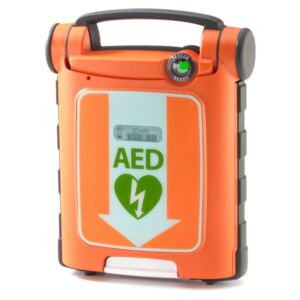
![]() Cardiac Science Powerheart G5 Semi Automatic AED with or without CPR AdvisorDF052£1,434.00 £1,195.00
Cardiac Science Powerheart G5 Semi Automatic AED with or without CPR AdvisorDF052£1,434.00 £1,195.00 -
![]()
-
![]()
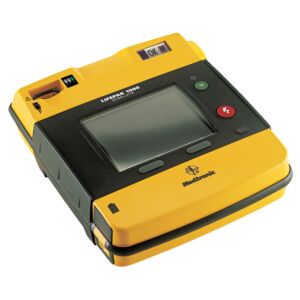
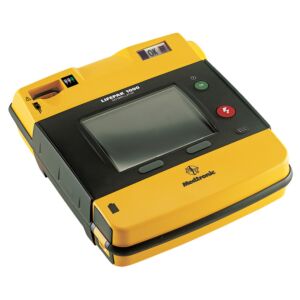

When to Choose a Semi Automatic Defibrillator
You press the button to deliver the shock. The device analyses the rhythm and tells you when a shock is needed, allowing the operator to check that no one is touching the patient before pressing the button — particularly helpful for users who may be hard of hearing. That’s the key difference with a semi‑automatic AED, and why many trained responders and clinical settings prefer them.
We stock models from iPAD, Zoll, Mindray, Cardiac Science, and Physio-Control. Units feature an ECG display and manual override for clinical use.
Semi automatic vs fully automatic
Semi -automatic Defibrillators are just as good and as easy to use as Fully Automatic Defibrillators; they just have an added step to deliver the shock, requiring the button to be pressed to deliver the shock. This can help if there are lots of people involved in the rescue, and allow time to ensure that no one is touching the patient while the shock is delivered.
Keep your AED ready
Check your electrode pads and battery regularly. Pads expire in 18 months to 2 years. Most AEDs will display the battery life. We stock replacements for every brand on this page, plus AED accessories, including cases, brackets, and cabinets.
Need a service or repair? Call us on 01403 597 597.