

Free Delivery over £75 ex VAT
*Excl. Reconditioned Equipment & Medical Furniture

Payment Options Available
We accept Klarna, VISA, Mastercard & AMEX

UK Offices & Warehouse
Dispatched within 2 days. Next-day upgrade:£2.99+VAT

Proud Supplier to the NHS
To Trusts across the United Kingdom
Continuous Passive Motion (CPM)

Continuous Passive Motion (CPM)
CPM machines (continuous passive motion machines) support early rehabilitation after joint surgery or injury by gently moving the joint through a controlled range of motion, without the patient needing to do any of the work themselves. They're used by hospitals, clinics and home rehabilitation programmes to help reduce joint stiffness and swelling, maintain and improve range of motion, and support recovery after procedures such as knee replacement surgery. Need a CPM machine for a short recovery period rather than buying outright? CPM machine hire may work out better value, get in touch and the team can talk you through the options.
Continuous Passive Motion (CPM) machines support early rehabilitation after joint surgery or injury by gently moving the joint through a controlled range of motion without patient effort.
Key Benefits:
• Reduces joint stiffness and swelling
• Helps maintain and improve range of motion
• Supports post-operative pain management
• Promotes faster, safer recovery
Ideal for use in hospitals, clinics, and home rehabilitation programs.
p>Continuous Passive Motion, known as CPM are used for Rehabilitation of limbs with clincially proven effectiveness for speeding up recovery from surgery.</p>
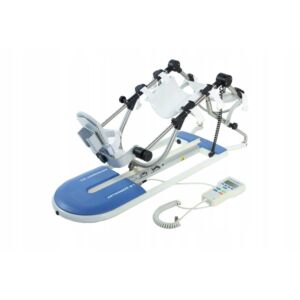
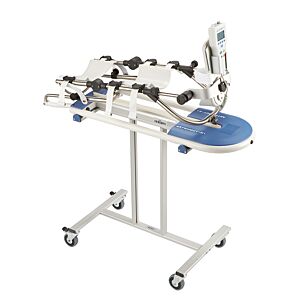

A CPM (continuous passive motion) machine gently and continuously moves a joint, most commonly the knee, through a controlled range of motion after surgery or injury. The patient doesn't need to do anything, the machine does the movement for them, which is why it's called "passive" motion. It's most often used straight after joint replacement or reconstruction surgery, when actively moving the joint yourself would be too painful or difficult, but keeping it moving is still important for recovery.
Why does a joint need to keep moving after surgery?
Keeping a joint moving after surgery helps stop it stiffening up and helps reduce swelling, both of which can slow recovery and make regaining full movement harder later on. A CPM machine lets that gentle movement start early, often within a day or two of surgery, under the guidance of a physiotherapist or surgeon, without the patient needing to bear weight or actively work the joint themselves.
Should I buy a CPM machine or hire one?
It depends on how long you'll need it. If you're recovering from a single procedure, a knee replacement for example, hiring a CPM machine for the few weeks you actually need it is usually the better value option. If a clinic or hospital will be using it across multiple patients on an ongoing basis, buying makes more sense.
How does a CPM machine control the range and speed of motion?
A CPM machine holds the leg in a padded cradle and moves the knee joint through a set arc, bending and straightening it slowly and repeatedly. Both the range (how far the joint bends) and the speed of the movement are adjustable, so a physiotherapist or surgeon can set them to match the stage of recovery, starting with a smaller, gentler range in the first few days and increasing it gradually as healing progresses.
What can I expect during a CPM machine session?
The patient lies down with the leg supported in the machine's cradle and stays relaxed while the machine does the movement. It shouldn't be painful, some mild discomfort as the joint moves through its range is normal in the early days after surgery, but the settings should always stay within a comfortable limit. Sessions are typically run several times a day for a set period, following the schedule set by the treating clinician.
Does using a CPM machine replace physiotherapy?
No. A CPM machine supports the passive movement side of early recovery, but it doesn't replace hands-on physiotherapy, active exercises, or the wider rehabilitation programme a physiotherapist puts together. It's normally used alongside physiotherapy, not instead of it, particularly once the patient is able to start moving the joint under their own control.
CPM Machine FAQs
What is a CPM machine?
A continuous passive motion (CPM) machine gently and continuously moves a joint through a controlled range of motion without the patient needing to do any of the work. It's most commonly used for the knee after surgery.
When is a CPM machine used after knee replacement?
CPM use often starts within a day or two of surgery, on your surgeon or physiotherapist's guidance, to help reduce stiffness and swelling and support recovery of range of motion while the joint heals.
Can I hire a CPM machine instead of buying one?
Yes. Hiring usually works out better value for a single patient's short-term recovery, buying makes more sense for a clinic or hospital using the machine across multiple patients on an ongoing basis. Get in touch and the team can talk you through both options.
What's included with the Artromot K1 Knee CPM machine?
The Artromot K1 is supplied with the settings and accessories needed for knee rehabilitation. A separate transport trolley is available if you need to move the unit between rooms or sites.
How long do you use a CPM machine for each day?
This is set by your physiotherapist or surgeon based on your individual recovery plan, and typically increases gradually over the first few days and weeks after surgery.
Are there any situations where a CPM machine shouldn't be used?
As with other post-surgical rehabilitation equipment, CPM use should always follow your surgeon or physiotherapist's guidance, they'll advise if it isn't suitable for your specific procedure or condition.
Can't find what you need? Call our team on 01403 597 597 or contact us online.