

Free Delivery over £75 ex VAT
*Excl. Reconditioned Equipment & Medical Furniture

Payment Options Available
We accept Klarna, VISA, Mastercard & AMEX

UK Offices & Warehouse
Dispatched within 2 days. Next-day upgrade:£2.99+VAT

Proud Supplier to the NHS
To Trusts across the United Kingdom
Electrotherapy & EPAs

Electrotherapy & EPAs
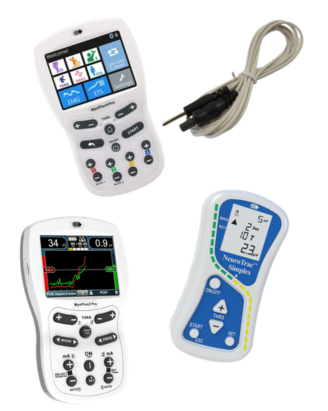
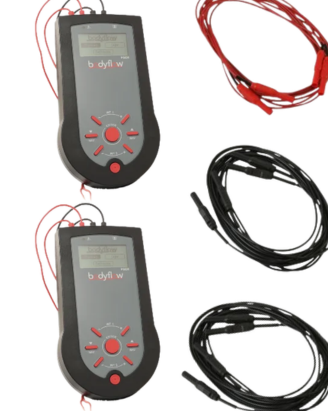
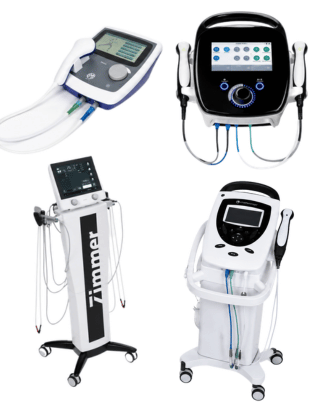
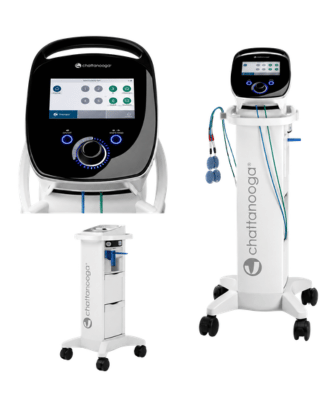
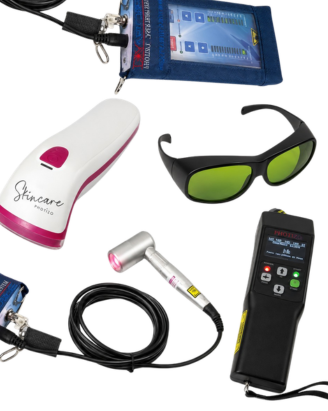
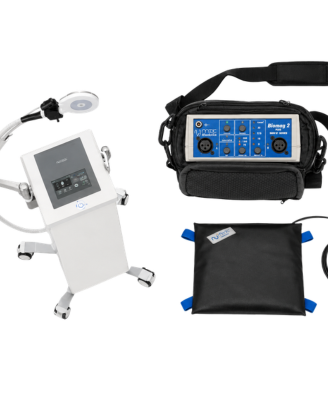
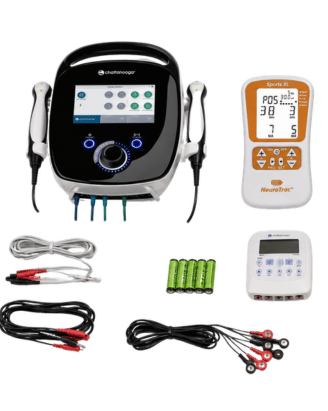
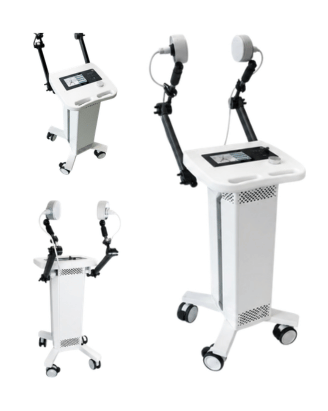
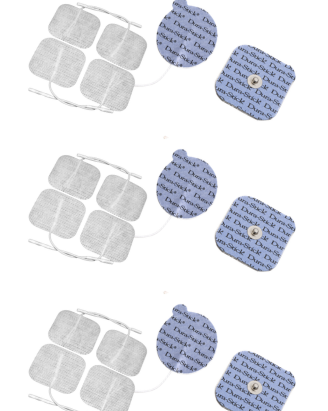
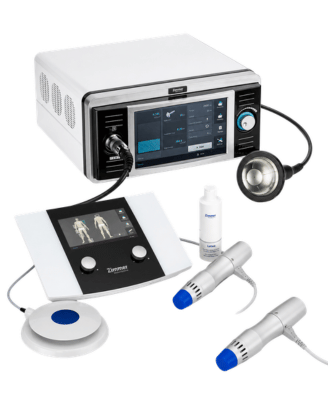
Electrotherapy & Electrophysical Agents use electrical currents, ultrasound, light and shockwaves to relieve pain, reduce inflammation and support muscle and tissue recovery. It's a core part of most physiotherapy, sports therapy and rehabilitation practices, used alongside manual treatment. Our range covers the full spectrum: TENS and interferential units for pain relief, ultrasound and shockwave therapy for soft tissue healing, muscle stimulation and biofeedback for rehabilitation work, plus laser, magnetic and Tecar therapy for more specialist treatment. Whichever modality you use, we stock the electrodes, gel and accessories that go with it.
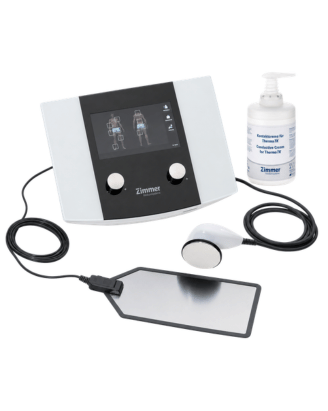
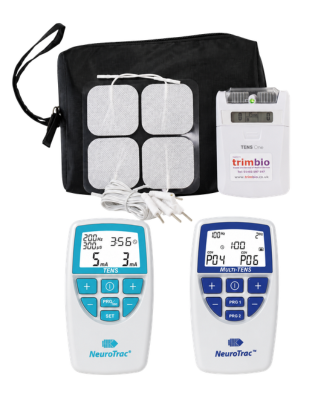
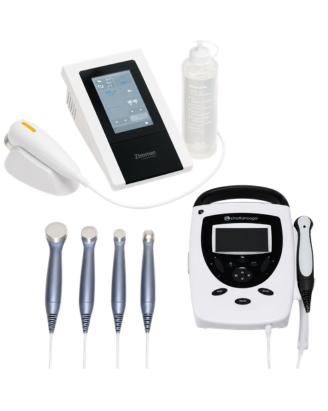
Comparison table
|
Modality |
What it does |
Typical use |
|---|---|---|
|
TENS |
Delivers a single low-frequency current through the skin |
General pain relief, clinic or home use |
|
Interferential |
Crosses two medium-frequency currents to reach deeper tissue |
Larger or deeper areas, less surface discomfort |
|
Ultrasound |
Uses sound waves to warm tissue and encourage healing |
Soft tissue injuries, post-injury recovery |
|
Shockwave |
Delivers short, high-energy pulses |
Chronic conditions, e.g. plantar fasciitis |
|
Muscle stimulation (NMES) |
Stimulates muscle contraction directly |
Retraining muscles after injury or inactivity |
|
Laser & light therapy |
Uses light energy to reduce inflammation and support repair and pain relief |
Soft tissue healing, pain management |
Electrotherapy / Electrophysical Agents FAQs
Practical answers to the questions physios, sports therapists, and clinic buyers ask when choosing electrotherapy / Electrophysical Agents. Can't find what you need? Call our team on 01403 597 597 or contact us online.
What is the difference between 1MHz and 3MHz ultrasound therapy?
The frequency determines how deep the ultrasound energy travels into tissue:
-
1MHz: Travels up to 4–5 cm deep. Best for treating deep muscle, joint capsules, hip and shoulder. Most clinic ultrasound machines run at 1MHz for general soft tissue work.
-
3MHz: Travels only 1–2 cm dee,. Best for treating tendons just under the skin (e.g. Achilles, rotator cuff surface), scar tissue, and facial/hand conditions.
Most dual-frequency ultrasound units offer both 1MHz and 3MHz from a single transducer head, so you can switch depending on what you're treating. Single-frequency 1MHz units are the more affordable entry point for general use. Browse our therapeutic ultrasound machines, all models and specifications are listed.
What is the difference between radial and focused shockwave therapy, and which one do I need?
This is the most common question when buying a shockwave machine. Here's the practical difference:
-
Radial Pressure Wave (RPW): the energy spreads out from the applicator tip like a cone, treating a wider surface area. Pressure peaks at the skin and decreases with depth (effective to roughly 5–6 cm). Best for conditions closer to the surface: plantar fasciitis, Achilles tendinopathy, tennis elbow, shin splints, trigger points, and myofascial pain. This is the most common type used in clinics. Lower cost, no water cooling required, easy to operate.
-
Focused Shockwave: a true shockwave that converges to a precise focal point deep within tissue (up to 10 cm). Much higher peak pressure at the target. Best for deep calcific tendinitis (e.g. calcific shoulder), bone stress reactions, and non-union fractures. Higher capital cost and usually requires more training.
For most physiotherapy and sports therapy clinics, a radial pressure wave machine covers the vast majority of clinical presentations. Focused shockwave adds value in specialist MSK or orthopaedic settings. View our shockwave therapy machines, we stock both types.
What is the difference between a single-channel and dual-channel (4-pad) TENS machine?
The number of channels determines how many electrode pairs you can use simultaneously:
-
Single-channel (2 electrodes): treats one area at a time. Sufficient for simple pain management. More common in consumer-grade units.
-
Dual-channel (4 electrodes): can treat two separate areas simultaneously (e.g. both knees, or a large muscle group using a crossfire pattern). Also allows interferential-style electrode placement where the two channels cross within the tissue for deeper stimulation. Recommended for clinical use.
-
Multi-channel (4+ electrodes): found on high-end clinic units and muscle stimulators. Allows complex electrode programmes for stroke rehabilitation, post-surgical muscle re-education, or whole-body EMS.
For a busy clinic, a dual or multi-channel unit is significantly more versatile and efficient. Most clinical combination therapy units combine dual-channel electrical stimulation with ultrasound in a single device.
Should I buy a portable or mains-powered electrotherapy unit for my clinic?
The right choice depends on how and where you're working:
-
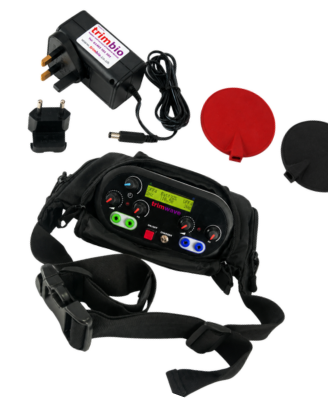
Portable/battery-powered units: ideal for home visits, pitch-side sports therapy, remote locations, and domiciliary care. Typically lighter and more compact. Lower power output than mains units. Some run on rechargeable Li-ion batteries with up to 8 hours of use per charge. trimbio also offers electrotherapy equipment for hire, a good option for testing a portable unit before committing to a purchase.
-
Mains-powered desktop units: higher power output, larger screen, more programme options. Best for a fixed clinic room. Often the more cost-effective long-term investment for a high-volume practice.
-
Combined carry/clinic units: many modern units are mains-powered but compact enough to transport in a carry case. A popular middle ground for therapists who split time between a clinic and home visits.
If you're unsure, our team can recommend the right unit for your caseload and budget; call 01403 597 597.
Can I buy reconditioned electrotherapy equipment, and is it safe to use on patients?
Yes. trimbio supplies professionally reconditioned electrotherapy equipment that has been fully serviced, tested, and safety-checked by our in-house engineers before sale. Reconditioned equipment can offer significant savings, often 40–60% less than new, while delivering the same clinical performance. Our reconditioned stock includes ultrasound machines, combination units, interferential therapy units, shockwave devices, and more.
All reconditioned units are supplied with a warranty and are fully tested for Medical Electrical Safety. If you need an equipment service or safety check on a device you already own, our medical equipment servicing team can help. We also run a trade-in programme if you're upgrading existing equipment.
What are the contraindications for electrotherapy & Electrophyscial Agents and when should I not use it?
Contraindications vary by modality, but the most widely applicable ones across TENS, IFT, ultrasound, and EMS are:
-
Implanted electronic devices: pacemakers, cochlear implants, spinal cord stimulators, drug infusion pumps. Do not apply electrical stimulation near these devices. Ultrasound near an implant is also contraindicated.
-
Active malignancy: do not treat directly over a tumour site or suspected metastatic region.
-
Pregnancy: avoid TENS, IFT, and ultrasound over the abdomen and lumbar spine during pregnancy. TENS is specifically used in labour but only under clinical supervision.
-
Thrombosis / DVT: do not stimulate a limb where deep vein thrombosis is confirmed or suspected.
-
Active infection or open wounds: do not apply electrodes or transducers directly over broken skin or infected tissue.
Always conduct a full patient assessment before initiating any modality and follow the manufacturer's contraindication list for the specific device being used. For the full buyer's guide, including TENS frequency settings, electrode sizing, interferential settings, duty cycle, and laser class selection, see our electrotherapy equipment guide.
Can't find what you need? Call our team on 01403 597 597 or contact us online.