

Free Delivery over £75 ex VAT
*Excl. Reconditioned Equipment & Medical Furniture

Payment Options Available
We accept Klarna, VISA, Mastercard & AMEX

UK Offices & Warehouse
Dispatched within 2 days. Next-day upgrade:£2.99+VAT

Proud Supplier to the NHS
To Trusts across the United Kingdom
Aids For Daily Living

Aids For Daily Living
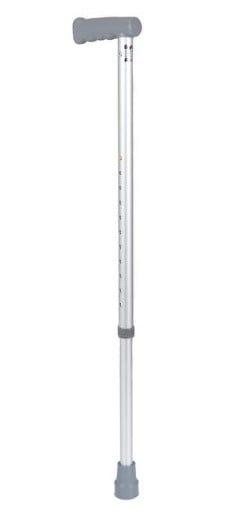
We are proud to offer a wide range of aids to daily living (ADLs) and disability aids, designed to support independence for older adults and people living with disability. Our mobility aids and daily living aids include walking sticks, crutches, ferrules and sock aids, helping make everyday tasks easier and safer at home, in care settings or in clinical practice.
At the heart of our offerings is a commitment to enhancing quality of life. We understand that, for many individuals, maintaining independence can be challenging. That’s why our products not only focus on functionality but also on comfort and style. We prioritise ergonomic designs that feel good to use, ensuring that patients and their caregivers can navigate daily routines with confidence and ease.


Why aids to daily living matter
An effective walking aid has a single purpose: it provides relief to a joint or a limb that is unable to cope on its own, while allowing the individual to remain self-reliant. This is the very essence of essential aids, which are inexpensive and compact pieces of equipment, yet without which the lives of those relying on them would become completely dependent.
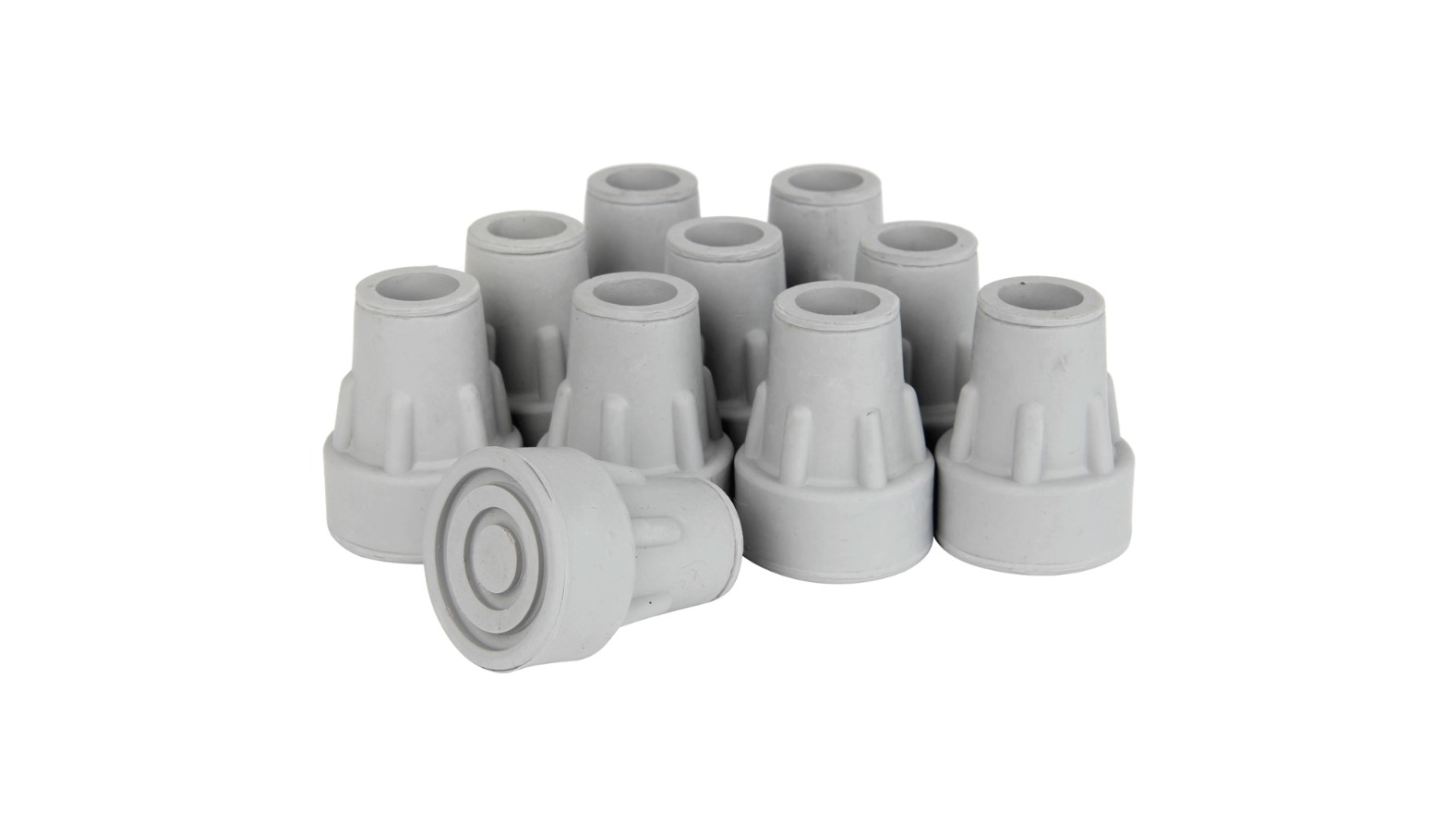
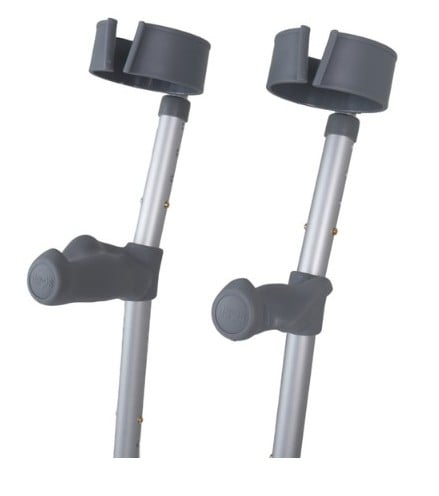
We have a wide selection of disability equipment available for everyday use, including walking sticks, crutches used when a limb cannot bear weight due to an injury or surgery, ferrules for securing grips on walking sticks and crutches and sock aids.
Deciding among a walking stick, crutches, and other assistance
A walking stick is helpful for individuals requiring light and single-sided help, either for balance or for joint pain. The use of crutches is generally suggested to those patients who have undergone surgery, have broken bones, and cannot place any weight on the leg that has been operated on or injured. Sock aids can be useful for all those individuals who have had hip or knee replacement surgery or lack flexibility and cannot bend down to put socks on their feet.
A ferrule refers to a rubber tip at the bottom of a walking stick or a crutch. Ferrules get worn out from regular use, and this makes a walking stick or a crutch even more dangerous than safe.
Supplying care homes, clinics and social care teams
trimbio is an NHS accredited supplier, and we frequently deal with residential and private care facilities, occupational therapists and social care professionals throughout the UK who require assistance in providing the residents with **disability aids**. If you're ordering for a facility or a caseload rather than one person, get in touch, and we can talk through quantities and account ordering.
We also supply members of the public directly. Whether you're buying an aid for yourself or a family member, all orders over £75 ex VAT qualify for free delivery, and everything is dispatched within 2 working days.
If you're setting up a wider treatment or care space, our support and posture range and general exercise equipment cover related rehabilitation needs.
Frequently Asked Questions On Aids For Daily Living
What are aids to daily living?
Assistive Devices for Daily Living, or ADLs, are tools that help individuals perform their usual activities independently and safely in situations where illness, injury, ageing, or disabilities make it difficult for them to do so. Some examples of such devices are walking canes, crutches, ferrules, and sock aids.
Are there specific guidelines for selecting the right size of walking stick or crutches?
Stick or crutch height should be checked with the patient standing upright in their usual shoes, arms relaxed by their side, so the handle sits level with the wrist crease. Once adjusted, the elbow should have a slight bend and shoulders should stay level, not hunched or raised. Getting this wrong is commonly associated with back, shoulder, and neck strain, and a higher fall risk. NHS physiotherapy guidance treats this as an individual check every time, not something to estimate from a general sizing chart.
How does a walking stick differ from crutches?
Walking sticks provide minor assistance and are one-handed aids. Crutches are designed to take significant weight off a leg, commonly after surgery or a fracture, and are normally used in a pair.
Are they appropriate aids for the elderly?
Yes. Many of our customers are older people managing restricted mobility, balance problems, or joint conditions. We also supply younger people recovering from injury or living with a disability.
Do you supply disability aids to the NHS and social care providers?
Yes. trimbio is an NHS-approved supplier, and we work with NHS Trusts, care homes and social care teams across the UK. For bulk orders or account enquiries, contact our team directly.
Are your disability aids UK-made or sourced?
Our range is sourced to meet UK clinical and safety standards, and all products are suitable for use across UK health and social care settings.
Do you sell replacement ferrules separately?
Yes. Ferrules wear down with regular use, and replacing them is more cost-effective than replacing the whole stick or crutch. See our ferrules range for options.