

Free Delivery over £75 ex VAT
*Excl. Reconditioned Equipment & Medical Furniture

Payment Options Available
We accept Klarna, VISA, Mastercard & AMEX

UK Offices & Warehouse
Dispatched within 2 days. Next-day upgrade:£2.99+VAT

Proud Supplier to the NHS
To Trusts across the United Kingdom
Anatomical Charts

Anatomical Charts
A range of both animal and human anatomical charts. Whether you're equipping a physiotherapy treatment room, a sports therapy clinic, or an equine practice, a well-chosen chart does really work during consultations. Use them to explain injury sites, demonstrate muscle and nerve pathways, or support owner education alongside treatment. We stock charts suitable for practitioners across human and animal disciplines, from musculoskeletal and spinal references to equine anatomy.
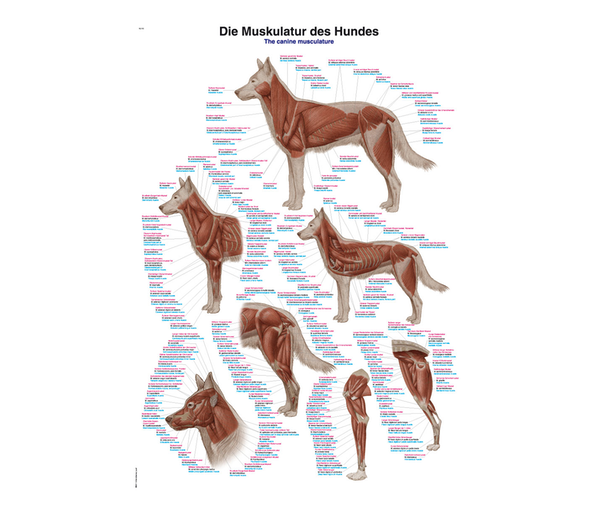
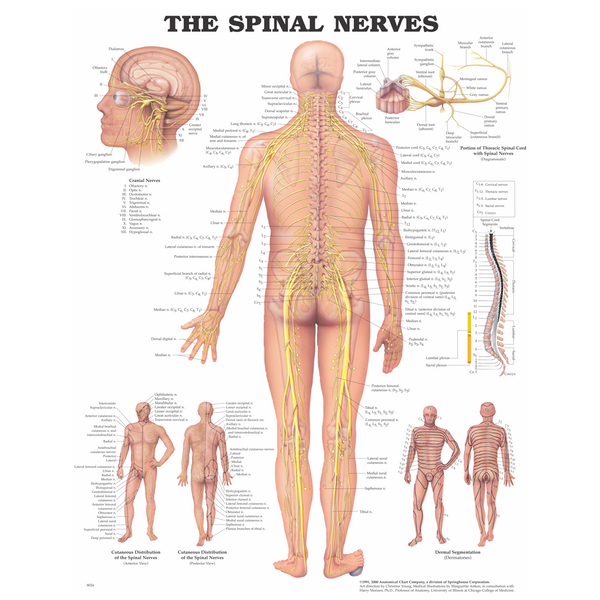
A range of both animal and human anatomical charts.

How practitioners use anatomical charts
Charts serve three distinct purposes in clinical environments: patient education, professional credibility, and practical reference during consultations. For most practitioners, the conversation during assessment is where charts earn their keep. Pointing to a specific muscle, nerve pathway, or joint structure during an explanation is far more efficient than describing it verbally, and it helps patients feel more informed about their own treatment. History
Sports therapists working with athletes benefit from musculoskeletal charts showing anterior and posterior views. Equine practitioners find system-specific charts useful for client consultations where owner education is part of the care process.
Laminated vs paper: what to consider
Most clinical-grade anatomical charts are available laminated, which makes them easy to wipe down between uses and considerably more durable in busy environments. If you're outfitting a treatment room that sees high footfall, laminated is worth the marginal extra cost. Paper charts suit teaching settings, temporary displays, or locations where you're regularly rotating reference material.
Ordering for clinics and organisations
trimbio supplies NHS Trusts, private clinics, sports clubs, and educational institutions. If you need multiple charts for a department, training suite, or facility fit-out, contact the team directly, and we can advise on bulk quantities. All orders over £75 ex VAT qualify for free standard delivery, dispatched within 2 working days.
Explore our physiotherapy equipment and consumables for everything else your clinic needs, or take a look at our equine therapy range if animal anatomical charts are part of a wider setup.
Frequently asked questions
What's the difference between human and animal anatomical charts?
Human anatomical charts cover systems and structures of the human body: muscular, skeletal, nervous, cardiovascular, and more. Animal charts, including equine and canine, cover species-specific anatomy. Both are used in clinical settings, but for different professional applications. If you work across both, it's worth stocking both subcategories.
Are these charts suitable for patient-facing use?
Yes. Most anatomical charts are designed to be clear and visually accessible, making them useful for explaining diagnoses, treatment plans, or anatomy to patients during consultations. Laminated versions are particularly practical for clinical use as they can be handled and wiped clean.
Do you supply anatomical charts to NHS Trusts and educational institutions?
Yes. trimbio is an NHS-approved supplier and regularly supplies NHS Trusts, universities, training providers, and private clinics. For larger orders or purchase order enquiries, contact our team via phone or email.
What size are the charts?
Sizes vary by product. Standard wall chart sizes are typically in the range of 51x66cm to 70x100cm, suitable for wall display in treatment rooms and clinical environments. Specific dimensions are listed on each product page.
Can I get anatomical charts for equine use?
Yes. Our animal anatomical charts include equine-specific options, which are commonly used by equine physiotherapists and veterinary practitioners. If you're also looking at equine therapy equipment, see our equine therapy range.