

Free Delivery over £75 ex VAT
*Excl. Reconditioned Equipment & Medical Furniture

Payment Options Available
We accept Klarna, VISA, Mastercard & AMEX

UK Offices & Warehouse
Dispatched within 2 days. Next-day upgrade:£2.99+VAT

Proud Supplier to the NHS
To Trusts across the United Kingdom
First Aid Supplies

First Aid Supplies
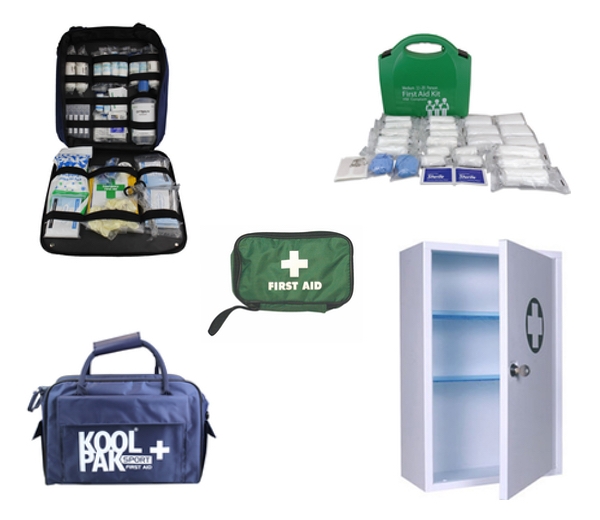
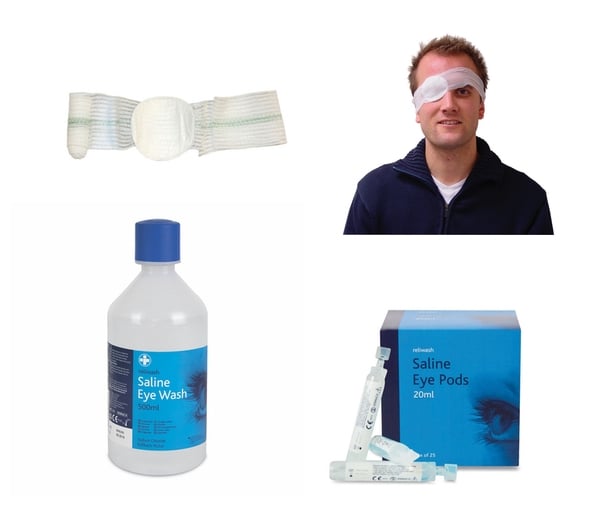
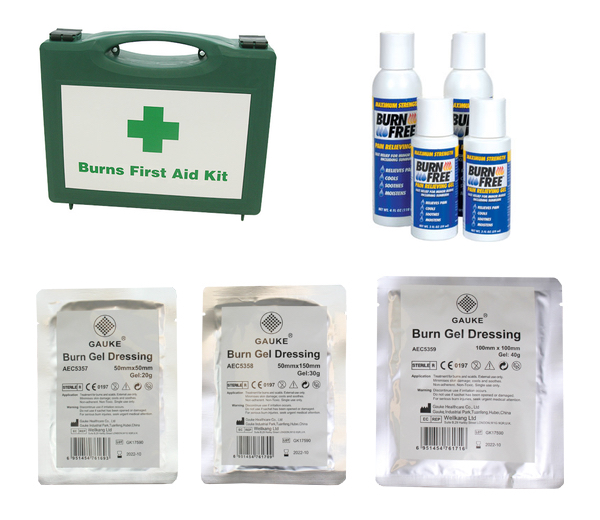
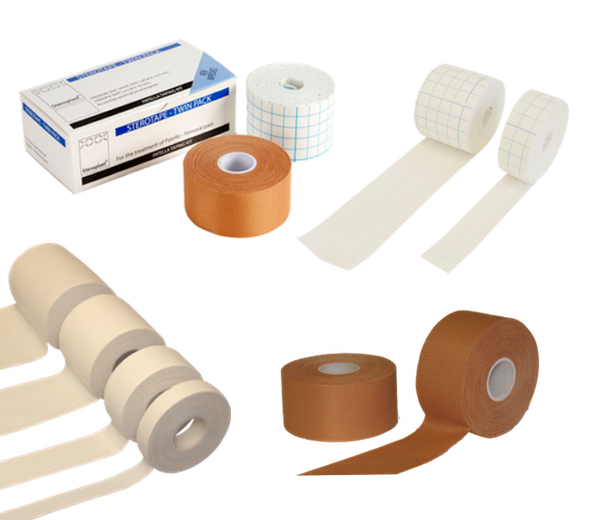
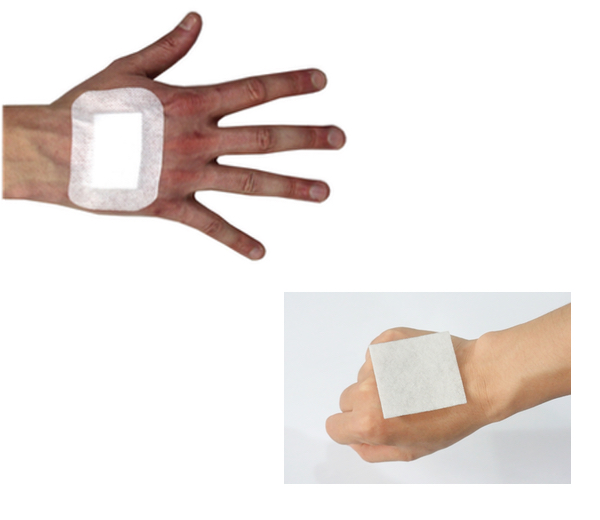
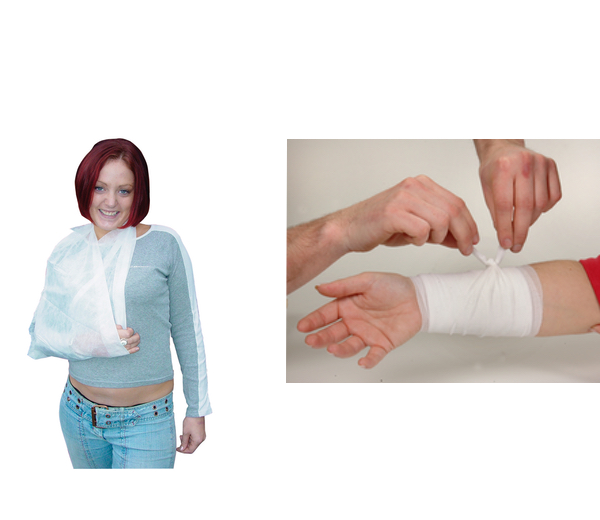
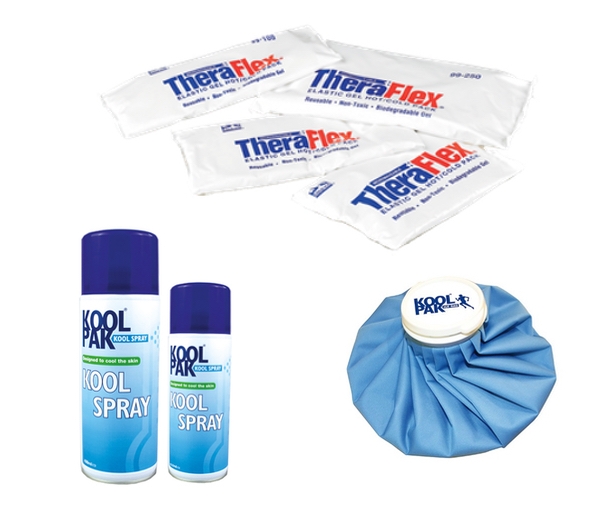
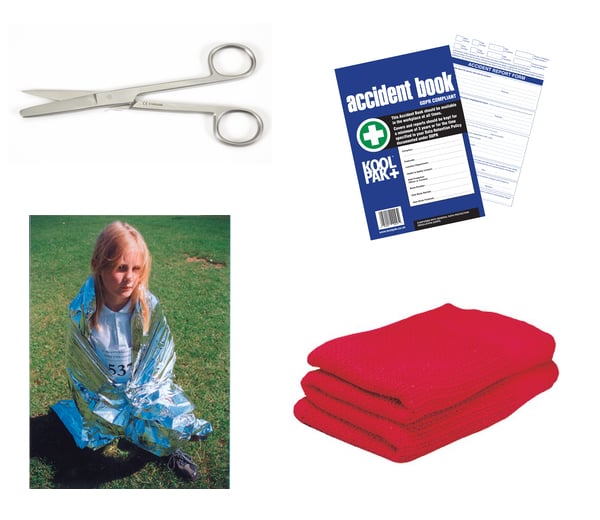
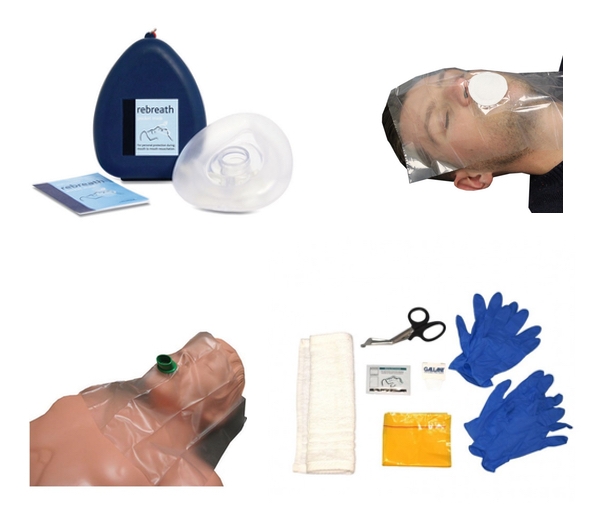
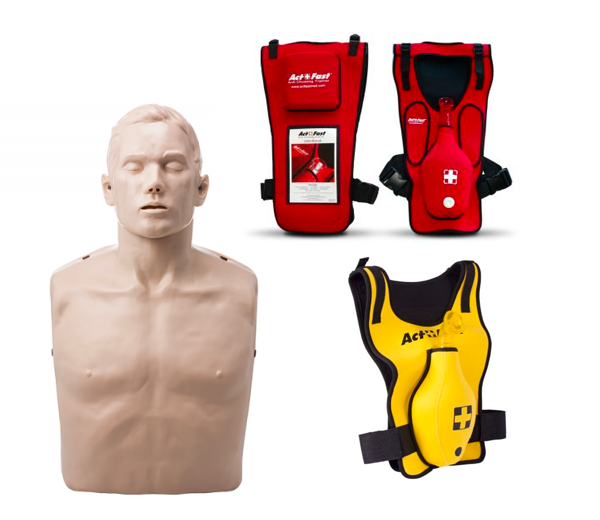
From clinic treatment rooms to workplace kits to the first-aid drawer at home, we've got you covered: kits and refills, dressings, bandages, burns and eye care, cold therapy, resuscitation equipment and training, all in one place. Every product is chosen to earn its spot in a kit and perform when it matters most. Not sure what your setting needs? Our team can help you match the right supplies to your first-aid needs assessment.

First Aid Supplies: Frequently Asked Questions
What should a workplace first aid kit contain?
There's no single legally fixed list, HSE guidance says the right contents depend on your first-aid needs assessment. As a general starting point for lower-risk workplaces, a kit should cover assorted plasters, sterile eye pads, triangular bandages, safety pins, sterile wound dressings in a couple of sizes, disposable gloves and a basic first aid guidance leaflet. Kits built to BS 8599-1 are a reliable option if you want a ready-made kit that reflects current UK guidance.
Is a first aid kit a legal requirement in the UK?
Yes. Under the Health and Safety (First-Aid) Regulations 1981, every employer must provide adequate and appropriate first-aid equipment, facilities and personnel, based on a needs assessment of their workplace. As a minimum, that means a suitably stocked first-aid kit and someone appointed to take charge of first-aid arrangements, even in the lowest-risk workplaces.
Do I need a trained first-aider, or is an appointed person enough?
It depends on your needs assessment. Smaller, lower-risk workplaces can often rely on an appointed person who looks after the kit and calls emergency services if needed, without formal first-aid training. Higher-risk environments, larger teams, or workplaces using machinery or hazardous materials are more likely to need one or more trained first-aiders holding a recognised First Aid at Work or Emergency First Aid at Work qualification.
How often should I check or restock a first aid kit?
There's no fixed replacement schedule, but contents should be checked regularly and topped up as soon as anything is used. Sterile items usually carry an expiry date and should be replaced by then; anything without a date should be judged on whether it's still fit for purpose. A quick monthly check is a good habit so your kit is never caught short.
What's the difference between a general first aid kit and specialist supplies like burns dressings or eye wash?
A general-purpose kit covers everyday cuts, grazes and minor injuries. Burns and eye injuries are more time-sensitive and benefit from dedicated products: burns dressings and gels are designed to cool and protect the area immediately, while eye wash and sterile eye pads are made for flushing out foreign bodies or chemicals without causing further damage. If your needs assessment flags these risks, it's worth keeping specialist supplies alongside your main kit rather than relying on it alone.
How do I know which first aid kit is right for my business?
Start with a first-aid needs assessment: consider your workforce size, the nature of the work, and any specific hazards on site. That will point you toward the right kit size and contents, and whether you need trained first-aiders rather than an appointed person. If you're unsure, our team can help you match a kit to your setting, just get in touch.