

Free Delivery over £75 ex VAT
*Excl. Reconditioned Equipment & Medical Furniture

Payment Options Available
We accept Klarna, VISA, Mastercard & AMEX

UK Offices & Warehouse
Dispatched within 2 days. Next-day upgrade:£2.99+VAT

Proud Supplier to the NHS
To Trusts across the United Kingdom
Aircast Cryo/Cuff
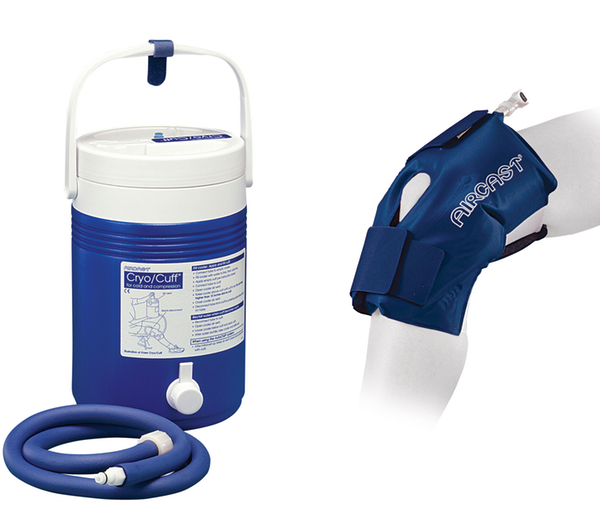
Aircast Cryo/Cuff
The Aircast Cryo/Cuff (also called a CryoCuff) is a cold and compression therapy device that combines a gravity-fed ice water cooler with a joint shaped cuff to reduce pain, swelling and inflammation after injury or surgery. Designed for physiotherapy, sports rehabilitation and clinical use, these easy-to-use systems deliver targeted cryotherapy to key joints, including the Aircast knee cryo cuff, ankle cryo cuff and cryo cuff cooler, supporting faster recovery and improved patient comfort.
The Aircast Cryo/Cuff range from Trimbio provides effective cold and compression therapy to help reduce pain, swelling and inflammation following injury or surgery. Designed for physiotherapy, sports rehabilitation and clinical use, these easy-to-use systems deliver targeted cryotherapy to key joints, supporting faster recovery and improved patient comfort.
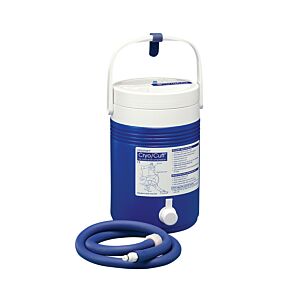
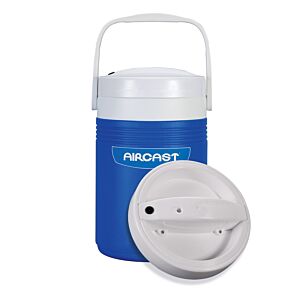
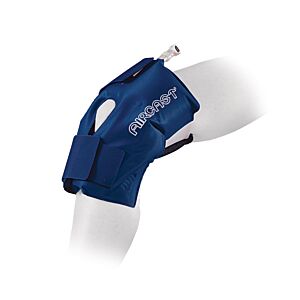
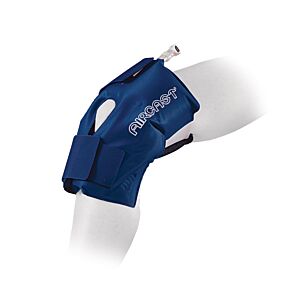
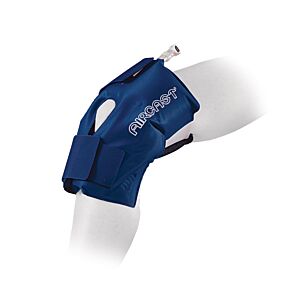
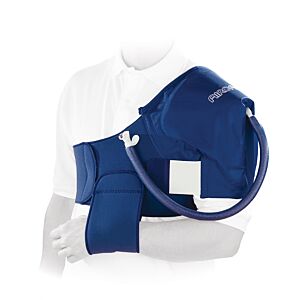
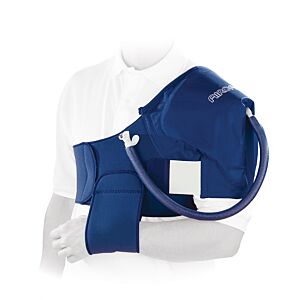
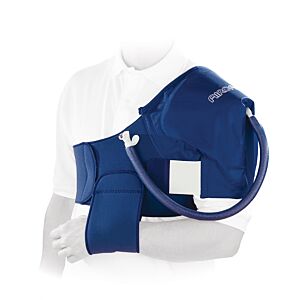
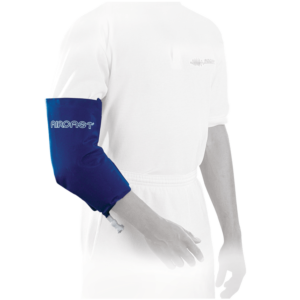
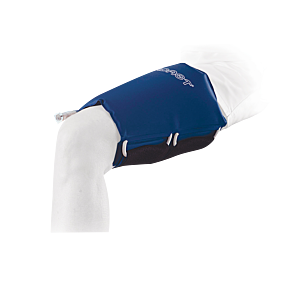
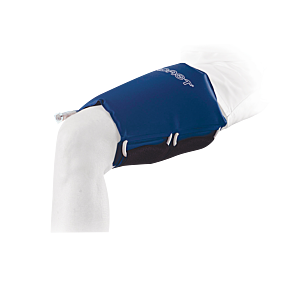
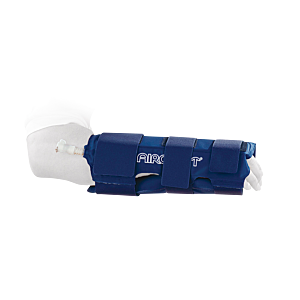
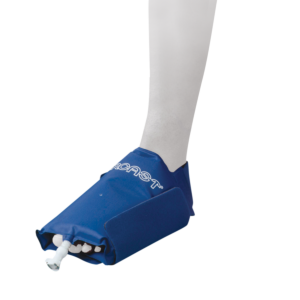
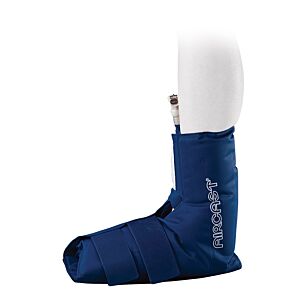
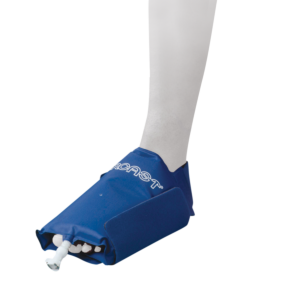

How the Aircast Cryo/Cuff works
The system pairs a cuff with a cooler. Fill the cooler with ice and water and attach it to the cuff. The water will be delivered by gravity to the injured area using a series of channels within the cuff itself. Adjusting the height of the cooler allows the user to either increase or decrease the level of pressure applied, thus allowing the same device to be used on both an early and late stage of injury.
The use of the Cryo/Cuff in such operations as knee surgery, shoulder surgery and ankle surgery is based on two effects that this device uses: cold and compression.
Correct selection of cuff size
Cuffs have sizes based both on the joint itself and on the individual, making the correct choice very important to ensure proper compression. As a guide:
- Knee cuffs: small, medium and large cuff sizes according to the circumference of the area above the knee
- Ankle cuffs: a single size wraps around the ankle and lower shin
- Shoulder cuffs: small, regular and extra long strap options
- Elbow cuff, thigh cuff, hand/wrist cuff and foot cuffs: sized according to the joint or limb
If you are unsure what size an Aircast knee cuff or ankle cryo cuff would suit the patient you have in mind, we can discuss the size over the phone with our specialist.
Cryo/Cuff vs ice packs and cold wraps
The traditional knee injury ice pack can cool down the area, yet it provides no customizable compression and warms up fast, so it requires frequent replacement. An ice wrap for knee use adds some compression but can't match the consistent, controlled cold water flow of a gravity-fed system.
The Cryo/Cuff holds a steady temperature for longer and lets you control compression independently of cold, which is why many physiotherapists prefer it to a basic knee icer or cold spray for anything beyond a quick top-up between sessions.
Coolers and spare parts
The standard Aircast Cryo/Cuff cooler is a simple, non-electric unit: fill it with ice and water and it feeds the cuff by gravity, so there's no plug or battery to worry about. We also stock the IC Cooler with Automated Compression, which cycles compression automatically for hands-free use during a session.
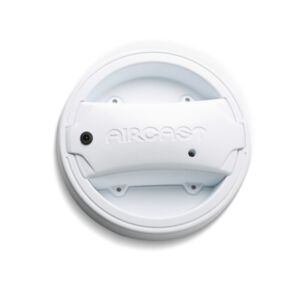
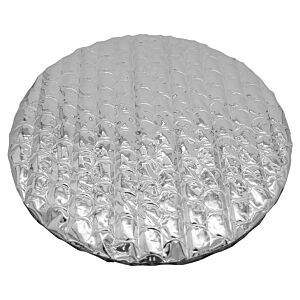
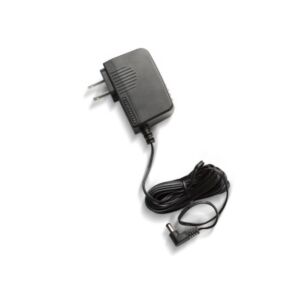
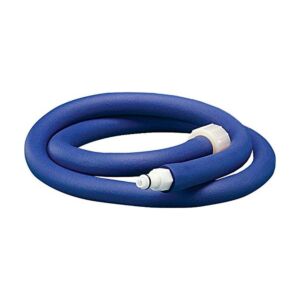
Coolers and cuffs take everyday wear, so we keep the common spares in stock, including replacement tubes, lids, insulation discs and the power supply for the automated cooler. If a cooler or cuff has stopped working properly, check the spares range before assuming you need a full replacement.
Ordering for clinics and practices
trimbio is an NHS-approved supplier to physiotherapy clinics, sports teams and private practices across the UK. If your order is above £75 (VAT excluded), it will be shipped for free within 2 business days. Should you require assistance in organising your therapy room or restocking your supplies at various locations, you are welcome to contact us anytime. If you’re also stocking up on general cold therapy supplies, take a look at our Cold Packs & Sprays and Cooling Gel Range for additional options alongside the Cryo/Cuff.
Frequently asked questions
What is the Aircast Cryo/Cuff (CryoCuff)?
The Aircast Cryo/Cuff, also known as a CryoCuff, is a cooling and compressive device applied in physiotherapy and sporting injuries. This involves using a cooler containing cold water, which is attached to a specialised joint cuff that gives both cooling and compression.
How long does one apply cryotherapy to the knee joint?
It depends on the nature of the injury or surgery, so it is recommended to strictly adhere to the instructions provided by your treating physician or physiotherapist and not the general time period. In many post-surgical rehabilitation programs, a shorter application period with higher frequency is prescribed initially.
Which is more efficient: Cryo Cuff or ice pack application to knees?
In any case that exceeds immediate usage, a majority of professionals consider a Cryo/Cuff more efficient than simple ice packs because of the more constant temperature level, along with additional compression. Ice packs may be useful in very short and informal cases of usage.
Is the use of the ankle cryo cuff possible after an ankle surgery?
Yes, the ankle cryo cuff is widely used in case of a post operation condition and in case of any injury to the ankle, such as an ankle sprain.
Is there a need for a cooler to operate the Cryo/Cuff?
Yes, the cuff attaches to the cooler, which contains ice and water. The cold water then flows into the cuff via gravity. If you have a cooler, you only require the cuff.
Do you sell replacement coolers and spare parts?
Yes, we stock replacement coolers, lids, insulation discs, tubes and the power supply for the automated cooler, so a worn part doesn't mean replacing the whole system.
What specific conditions or injuries is the Aircast Cryo/Cuff best suited for?
The Cryo/Cuff is most commonly used after joint surgery, such as knee or hip replacement, ACL reconstruction, shoulder (rotator cuff) surgery, and ankle surgery, where controlling swelling in the first days is a priority. It’s also widely used for acute soft tissue injuries like sprains and strains, and during sports rehabilitation where combined cold and compression is preferred over a static ice pack.
Are there any contraindications or situations where the Cryo/Cuff should not be used?
As with any cold therapy device, the Cryo/Cuff isn’t suitable for use over open wounds or broken skin, or on patients with impaired circulation, Raynaud’s phenomenon, cold hypersensitivity, or reduced skin sensation, as they may not feel if the area is getting too cold. It should also be used cautiously where there’s a risk of deep vein thrombosis, given the added compression. This isn’t a substitute for medical advice, so patients and clinics should follow the specific guidance of the treating physician or physiotherapist before use.
How do you determine the optimal height for the cooler to achieve the desired compression level?
Because the system is gravity-fed, compression is controlled by the cooler’s height relative to the cuff: the higher the cooler is positioned above the joint, the greater the hydrostatic pressure and compression delivered, and lowering it reduces the pressure. A common starting point is placing the cooler roughly level with or just above the treated joint for gentle compression, then raising it, for example onto a table, chair or IV pole, for firmer compression as advised by a clinician. Patients should follow their treating professional’s instructions on exact height and pressure, particularly in the early post-operative period.
This guidance is reviewed by trimbio’s in-house physiotherapy product specialists and is based on our experience supplying Aircast Cryo/Cuff (CryoCuff) cold and compression therapy equipment to NHS Trusts, physiotherapy clinics and sports teams across the UK.