

Free Delivery over £75 ex VAT
*Excl. Reconditioned Equipment & Medical Furniture

Payment Options Available
We accept Klarna, VISA, Mastercard & AMEX

UK Offices & Warehouse
Dispatched within 2 days. Next-day upgrade:£2.99+VAT

Proud Supplier to the NHS
To Trusts across the United Kingdom
Muscle Stimulation

Muscle Stimulation
Explore our range of muscle stimulation devices, including electrical muscle stimulators (EMS) and neuromuscular stimulation equipment (NMES) designed to support muscle strengthening, rehabilitation and pain management. These clinically effective devices deliver controlled electrical impulses to target muscles, helping improve muscle activation, enhance recovery after injury, reduce spasms and support functional therapy outcomes in physiotherapy and sports rehab settings. Ideal for therapists, clinicians and fitness professionals, our muscle stimulation products are reliable tools for boosting muscle performance and aiding patient care.
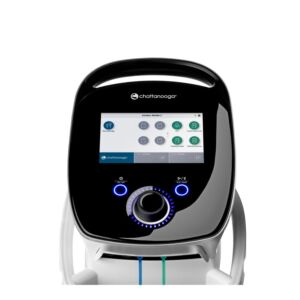
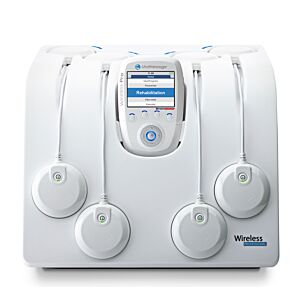
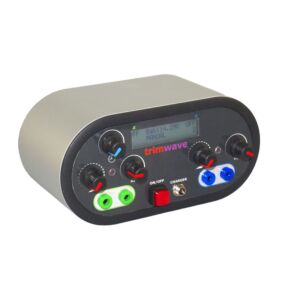
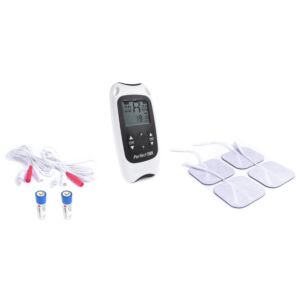
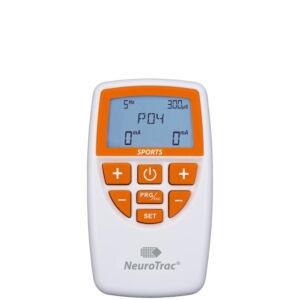
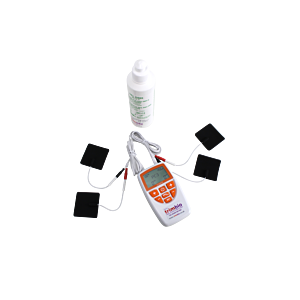
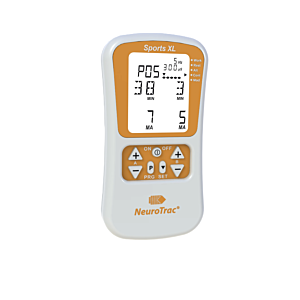
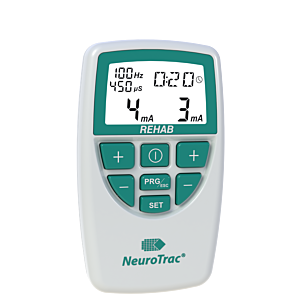
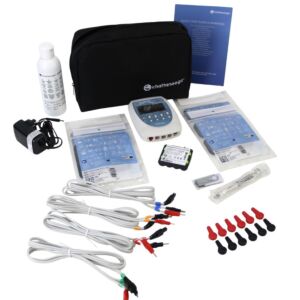
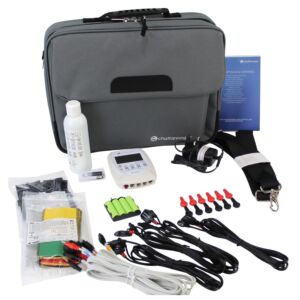
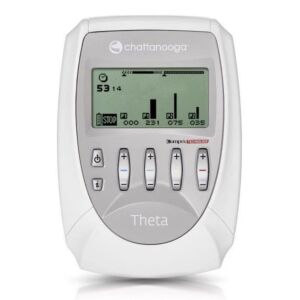
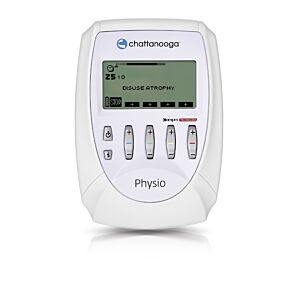
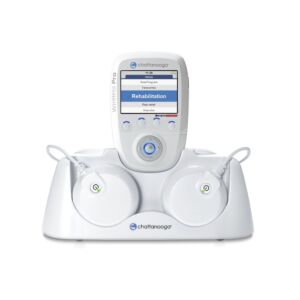
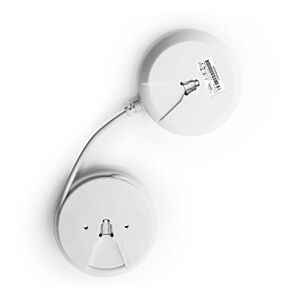
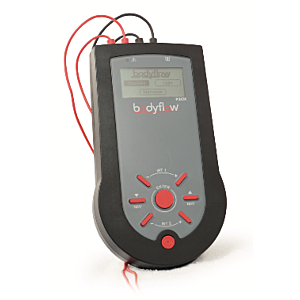
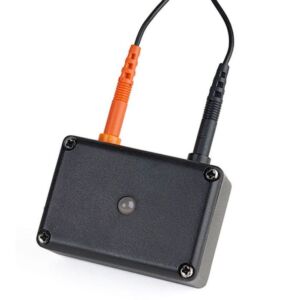

Electrical muscle stimulation (EMS) uses controlled electrical impulses to produce a muscle contraction and can be used within physiotherapy and rehabilitation programmes to support muscle activation and strengthening. Neuromuscular electrical stimulation, often shortened to NMES, is commonly used when the aim is specifically to activate nerves and the muscles they control as part of a clinician-led rehabilitation programme.
A muscle stimulator may be considered in a range of clinical and sports rehabilitation settings, including programmes designed to improve muscle activation following injury or periods of reduced activity. Depending on the device, practitioners can adjust parameters such as pulse rate, pulse width, intensity and work/rest cycles to suit the prescribed treatment. Some professional muscle stimulation machines also include preset rehabilitation programmes and multiple channels, allowing several electrode positions to be used during treatment. Trimbio's range includes devices with both preset and customisable programmes for different rehabilitation requirements.
When comparing EMS machines and NMES devices, consider how the equipment will be used in practice.
Muscle Stimulation FAQs
What does a muscle stimulator do?
A muscle stimulator delivers controlled electrical impulses to targeted muscle groups, causing involuntary muscle contractions that replicate natural muscle activity. In clinical and physiotherapy settings, EMS (Electrical Muscle Stimulation) and NMES (Neuromuscular Electrical Stimulation) devices are used to achieve a range of therapeutic outcomes:
-
Strengthening weakened or atrophied muscles following injury or surgery
-
Reducing muscle atrophy in patients with limited mobility or immobilisation
-
Improving neuromuscular coordination and motor control
-
Relieving chronic or acute muscle spasms
-
Managing pain through nerve stimulation
-
Supporting functional rehabilitation in post operative patients
-
Enhancing sports performance and recovery in athletic training
Our range of muscle stimulation devices is used by NHS physiotherapists, sports rehabilitation specialists, private clinics and independent therapists across the United Kingdom.
Does electrical muscle stimulation actually work?
Yes. When used correctly and under appropriate clinical guidance, EMS and NMES devices are clinically validated and widely used in professional healthcare and sports rehabilitation settings. The clinical evidence supports their use for:
-
Post surgical muscle re education: NMES has been shown to reduce muscle atrophy and accelerate functional recovery following procedures such as knee replacement and ACL reconstruction.
-
Chronic pain management: Electrical stimulation at lower frequencies can stimulate endorphin release and interrupt pain signals, providing relief for patients with conditions such as chronic lower back pain or fibromyalgia.
-
Muscle strengthening: EMS has been demonstrated to increase muscle strength in healthy individuals and in patients undergoing rehabilitation, particularly when combined with active exercise.
-
Neuromuscular retraining: NMES is used extensively in neurological rehabilitation, for example in stroke recovery, to retrain motor pathways and restore voluntary movement.
Our muscle stimulation products are used by NHS Trusts and professional therapy practices across the UK. All devices in this range meet the clinical standards expected of professional therapy equipment.
How long should you use an EMS muscle stimulator per session?
Recommended session duration depends on the treatment goal, the muscle group being targeted and the device being used. As a general guide:
-
Rehabilitation and muscle strengthening sessions typically run for 15 to 30 minutes per muscle group, with rest intervals built into the programme.
-
Pain management sessions may be shorter, often 10 to 20 minutes, and can sometimes be used more frequently throughout the day at lower intensities.
-
Sports recovery sessions using EMS are commonly set between 15 and 20 minutes at moderate intensity following training.
-
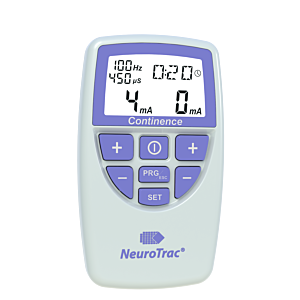
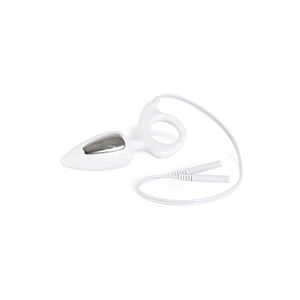
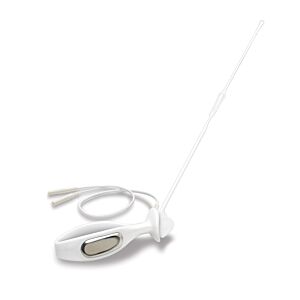
Continence therapy programmes, using specialist probes and dedicated devices such as the Neurotrac Continence Unit, follow specific clinical protocols set by the treating physiotherapist or continence nurse.
Most professional devices in our range come with preset therapy programmes designed to match clinical protocols. Always follow the instructions provided with the device and seek guidance from a qualified physiotherapist if you are using EMS or NMES for a specific medical condition or as part of a rehabilitation programme.
How often should you use an EMS device?
Recommended frequency varies depending on the clinical indication:
-
For muscle strengthening and rehabilitation: EMS and NMES are typically used 3 to 5 times per week, with rest days built in to allow adequate muscle recovery between sessions. This mirrors standard resistance training protocols.
-
For pain management: Lower intensity daily use may be appropriate, with some patients using their device once or twice per day for 10 to 20 minutes per session.
-
For sports performance and recovery: Many athletes use EMS 2 to 4 times per week as part of a structured training plan, alternating between stimulation and conventional training sessions.
-
For post surgical rehabilitation: Frequency is determined by the treating physiotherapist and will be adapted as the patient progresses through their recovery programme.
Do not overstimulate muscle groups. Allow at least 24 hours between EMS sessions on the same muscle group, particularly in the early stages of use or rehabilitation. Always follow the clinical guidance provided by your physiotherapist or healthcare professional.
What is the difference between EMS and NMES?
EMS (Electrical Muscle Stimulation) and NMES (Neuromuscular Electrical Stimulation) are both forms of therapeutic electrical stimulation but they work in subtly different ways and are used for different clinical purposes.
EMS (Electrical Muscle Stimulation)
EMS sends electrical impulses directly to the muscle fibres themselves, stimulating them to contract without necessarily engaging the motor nerve pathway. It is primarily used for:
-
Muscle conditioning and strength training
-
Reducing muscle atrophy during periods of immobilisation
-
Sports recovery and performance enhancement
-
Body composition work in fitness and rehabilitation contexts
NMES (Neuromuscular Electrical Stimulation)
NMES targets the motor nerves that control the muscle, stimulating the nerve first and allowing the natural neuromuscular pathway to trigger the muscle contraction. This more closely mimics the way the nervous system naturally activates muscles. NMES is used for:
-
Post surgical rehabilitation, particularly following orthopaedic procedures
-
Neurological rehabilitation including stroke recovery and spinal cord injury management
-
Re education of motor pathways following nerve damage or disuse
-
Functional electrical stimulation in patients with neurological conditions
NMES devices are more commonly found in clinical settings such as NHS physiotherapy departments, private rehabilitation clinics and hospital wards.
Which should you choose?
If you are a physiotherapist or clinician working with patients recovering from surgery or neurological conditions, NMES devices such as the Chattanooga Theta, the Chattanooga Physio or the Intelect Mobile 2 Stim will typically be most appropriate. If you are working in a sports rehabilitation or fitness context and need to support muscle conditioning and recovery, EMS units such as the Chattanooga Compex Wireless Pro or the Neurotrac Sports Muscle Stim may be the better choice. If you are unsure which is right for your clinical practice, contact our team for expert guidance.