



DOMS After Hyrox: What is Normal and What Isn't
You have done your first Hyrox. You felt good at the finish line. You woke up two days later and could not get down the stairs without holding the bannister.
Welcome to DOMS. Delayed onset muscle soreness is a normal physiological response to exercise, and Hyrox produces it in abundance. The combination of running and variety of functional exercises containing; heavy eccentric loading from the sled pull and sandbag lunges, and the volume of the wall balls and row means almost every muscle group gets involved. Here is what to expect and how to handle it.
Why Hyrox Causes So Much of It
DOMS is caused primarily by eccentric muscle contractions, where the muscle lengthens under load. The sled pull, the descent phase of sandbag lunges, and the lowering phase of wall balls all fit this pattern. The muscle fibres sustain microscopic damage, an inflammatory response follows, and the characteristic stiffness and ache peak somewhere between 24 and 48 hours after the race.
The severity depends on how novel the stimulus was, your current fitness level, and how well you managed recovery in the hours immediately after the event. First-time Hyrox athletes tend to feel it most.
What is Normal
Soreness across the quads, hamstrings, calves, glutes, and upper back is entirely expected. It should peak around 36 to 48 hours post-race and ease from 72 hours onwards. Stiffness in the morning that loosens up as you move is typical. Feeling flat and tired for two to three days is also normal.
The discomfort should feel dull and widespread rather than sharp and localised. It should affect both sides roughly equally, and it should improve rather than worsen as the days pass.
What is Not Normal
Sharp or stabbing pain in a specific joint is not DOMS. Pain that is significantly worse on one side, pain that does not improve at all after 72 hours, or swelling around a joint that was not there immediately after the race are all worth getting checked.
If you notice unusually dark urine in the first 24 to 48 hours, seek medical advice promptly. This can indicate rhabdomyolysis, a rare but serious condition where muscle breakdown releases proteins into the bloodstream.
What Actually Helps
Light movement in the first 72 hours. Easy walking, gentle cycling, or a slow swim keeps blood moving through the tissues and speeds up clearance more effectively than full rest.
Foam rolling for ten to fifteen minutes each day reduces tension and supports recovery. Focus on the quads and calves, which tend to absorb the most from Hyrox.
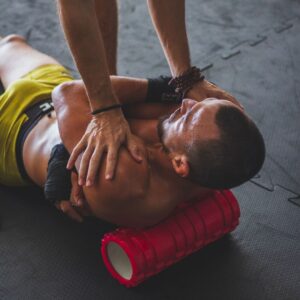 |
| Shop: Foam roller at trimbio |
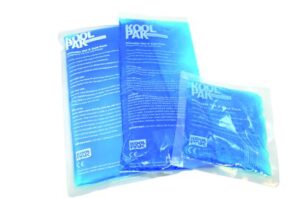
Cold packs in the first 24 hours, heat from 48 hours. A reusable hot and cold pack covers both. For soreness that is affecting sleep, a TENS machine provides on-demand pain relief without medication.
 |
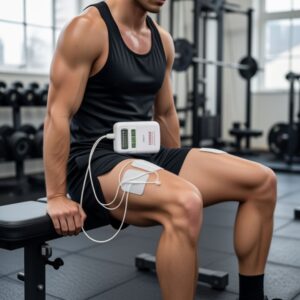 |
| Shop: Hot and cold packs at trimbio | Shop: TENS One Machine at trimbio |
For the full Hyrox preparation picture, head back to the main guide.
Back to pillar: Are You Ready for Hyrox? The Complete Preparation Guide
If you want to know what to have in your bag on race day itself, this is worth a read before your next event.
Read next: What to Pack in Your Hyrox Race Day Bag
Get your recovery right. Shop foam rollers, TENS machines and hot/cold packs at trimbio.co.uk.