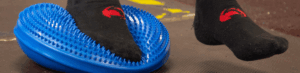
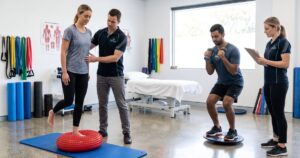
Wobble Cushions vs Balance Pads: Which is Best for Proprioception Training? Wobble cushions and balance pads both train proprioception, and clinics often end up owning both, but they suit slightly different patients and stages of a rehab programme. Here is a clear, practical comparison to help you decide which to reach for, and when. What is proprioception? Proprioception is the...
What is a Wobble Cushion? Benefits, Uses and How to Choose One A wobble cushion is a simple piece of equipment with a genuinely wide range of clinical uses, from ankle rehab to core activation to general posture improvement for anyone who spends long periods sitting still. Here is what it does, who uses it, how it fits into a...
Wobble Cushion vs Balance Board: Which Is Right for Your Patients? Both wobble cushions and balance boards are used for proprioceptive and balance training, but they're not interchangeable. Each has different characteristics that make it more or less appropriate depending on the patient, the clinical presentation, and the stage of rehabilitation. Here's a straightforward comparison to help with prescription decisions...
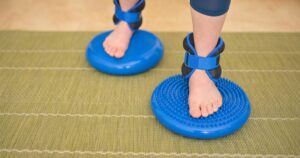
Using a Wobble Cushion for Ankle Rehabilitation Ankle sprains are one of the most commonly presenting musculoskeletal injuries in clinical practice, and one of the most frequently under-rehabilitated. Restoring strength is only part of the job. Proprioceptive deficits often persist long after the structural healing is complete, and without addressing them, re-injury rates remain high. A wobble cushion is one...
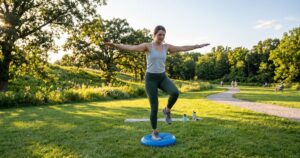
Wobble Cushion Exercises for Balance and Rehabilitation Wobble cushions are one of the most versatile and cost-effective pieces of rehabilitation equipment available. A single cushion can be used for ankle and knee rehab, fall prevention, postural training, and core activation across a wide range of patient populations and settings. This guide covers the main wobble cushion exercises used in clinical...
Shoulder ROM Exercises: Getting the Most from Your Pulley A shoulder pulley is an effective tool, but like any rehabilitation equipment, the results depend on how it's used. Poor technique, incorrect frequency, or progressing too quickly can all limit outcomes or set a patient back. This guide covers how to get the most from shoulder ROM pulley exercises, including common...
How to Use a Shoulder Pulley After Rotator Cuff Surgery A shoulder pulley is typically one of the first pieces of home exercise equipment prescribed after rotator cuff repair. Used correctly, it helps restore passive range of motion in the early post-operative weeks when active shoulder movement is restricted and supervised sessions are limited. This guide covers setup, the basic...
Shoulder Pulley Exercises: A Complete Guide for Rehabilitation Shoulder pulleys are a rehabilitation staple for good reason. They offer a controlled, low-cost way to work through the overhead range of motion (ROM), and patients can do them at home without supervision. For physiotherapists managing post-surgical shoulder cases, that independence is valuable. This guide covers the main shoulder pulley exercises, how...
The Hyrox Training Kit You Can Use at Home Between Sessions Hyrox prep does not live entirely in the gym. A lot of the work that makes the real difference happens between sessions: the recovery days, the mobility work, the prehab exercises that keep your hips and knees functioning properly under load week after week. You do not need a...