


Tennis Elbow: Causes, Treatment and the Right Support for Summer
Tennis elbow is not just a tennis injury. Plenty of people who have never picked up a racket get it, from gardening, decorating, or repetitive lifting at work. But summer genuinely does bring a spike in cases, between more racket sports, more DIY, and more time spent on activities that load the forearm repeatedly.
This guide covers what is actually happening when tennis elbow flares up, why summer makes it worse, and how to choose between a brace, a strap and a splint.
What is actually happening
Tennis elbow, known clinically as lateral epicondylitis, is inflammation and microscopic tearing where the tendons of the forearm muscles attach to the outside of the elbow. It is caused by repetitive strain rather than a single injury, which is why it often builds up gradually rather than appearing overnight.
The pain typically sits on the outside of the elbow and can radiate down the forearm, getting worse with gripping, lifting or twisting movements. Tasks as ordinary as turning a door handle or lifting a kettle can become genuinely uncomfortable once it is established.
Why does summer make it worse?
Tennis, padel and other racket sports see a clear seasonal spike in participation over summer, and a sudden jump in frequency or intensity, especially without much off-season conditioning, is one of the most common triggers.
Outside of sport, summer also brings more gardening, more DIY and more decorating, all activities involving repetitive gripping and forearm strain that can set tennis elbow off in people who have never swung a racket in their lives.
Tennis Elbow Support
Tennis Elbow Support provides protection, relief and compression for tennis elbow. The compression tube places targeted pressure on the elbow tendons and muscles to provide relief. Adjustable strap ensures personalised fit and compression. Soft neoprene blend provides firm, even support and promotes improved healing. Recommended for tennis or golfer’s elbow (epicondylitis), tendonitis and swelling; during competition or all day use.
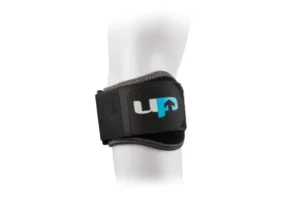 |
| Tennis Elbow Support |
Reducing the chance of it coming back
- Build forearm and grip strength gradually rather than returning to full intensity straight away
- Check the grip size and string tension on a racket, since an ill-fitting grip is a common contributing factor
- Pace repetitive DIY and gardening tasks, taking regular breaks rather than pushing through in one long session
- Warm up properly before racket sports, particularly after time away from the game
When to seek further treatment
Most cases of tennis elbow improve with rest, activity modification and support over several weeks. If pain persists beyond six weeks, is severe, or significantly limits grip strength, it is worth getting assessed by a physiotherapist rather than relying on support alone. Ultrasound therapy, taping and a structured loading programme are all common next steps for cases that do not settle on their own.
Quick answers
Can I still play tennis with tennis elbow?
Mild cases can often continue with support and reduced intensity, but persistent or worsening pain is a sign to rest from the sport until it settles.
How long does tennis elbow take to heal?
Most cases improve within six to twelve weeks with appropriate rest and support, though more established cases can take longer.
Is heat or cold better for tennis elbow?
Cold is generally more useful during a flare-up to calm inflammation, while heat can help loosen the area before activity once the acute stage has passed. A cooling gel is a practical option for quick relief between sessions.
Whether it has flared up from a summer of tennis or a weekend of decorating, the right support makes a real difference while it heals. Browse trimbio's full tennis elbow support range, or get in touch with the team if you are not sure which option is right.