



How to Tape for Summer Sport: A Practical Strapping Guide
Tape is one of the simplest items to pack for a summer of sport. Whether it is rigid strapping for extra joint support or kinesiology tape for sensory feedback, knowing which to reach for, and how to apply it properly makes a genuine difference.
Rigid strapping vs kinesiology tape
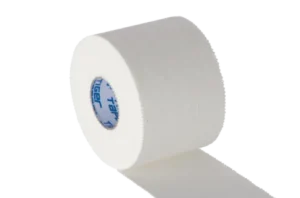
Zinc oxide strapping, such as Tiger Tape is rigid and does not stretch. It restricts movement at a joint, which is exactly what is needed to support a recently sprained ankle or an unstable knee during activity. Leukotape works on the same principle and is a long-standing choice for high-adhesion rigid support.
 |
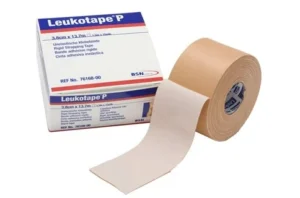 |
| Tiger Tape Zinc Oxide Strapping | Leukotape P High Adhesion Rigid Tape Solo |
Kinesiology tape is a different tool. It stretches with the body rather than restricting it, and is generally used to support a muscle or tendon during movement rather than lock a joint still. According to Physio-pedia, taping works through a combination of mechanical, neuromuscular and psychological effects rather than any single mechanism.
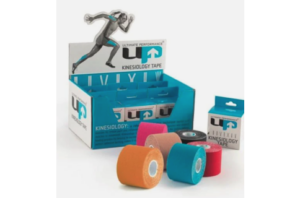 |
| Up Kinesiology Tape (5cm x 5m Roll) |
What goes on first
Hypafix tape is the under-tape most people reach for: a breathable, hypoallergenic fixation tape used to protect the skin before applying rigid strapping, or to secure a dressing in place. It is worth having alongside the strapping itself in any summer sports kit.
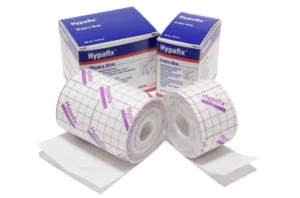 |
| Hypafix tape 5cm x 10m |
Common summer applications
Ankle strapping is the most frequent request of the season, usually following a trail run, a five-a-side match or a misstep on uneven ground. A rigid strap applied around the ankle and heel restricts the rolling motion responsible for most sprains.
Knee taping comes up often for cyclists and runners managing patellar discomfort, and tennis elbow is a regular summer complaint among club players. See trimbio's tennis elbow guide for a full breakdown of support options if that is what brought you here.
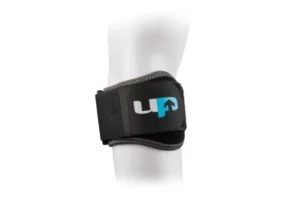 |
| Tennis Elbow Support |
Getting it right
A few basics make the difference between tape that helps and tape that peels off after twenty minutes:
- Clean and dry the skin before applying, and avoid taping directly over broken skin or recent wounds
- Round off the corners of the rigid strapping so it does not catch and lift early
- Apply with the joint in the position it will be in during activity, not at rest
- Remove gently, supporting the skin as you peel, rather than pulling the tape straight off
Physio-pedia's taping advice sheet recommends removing tape immediately if you notice excessive redness, itching or discomfort, and getting it checked by a physiotherapist if you are at all unsure about technique.
When to go deeper
This guide covers the practical basics for everyday summer sport. For a full clinical breakdown of taping mechanisms, evidence and advanced technique across different presentations, see trimbio's complete kinesiology tape clinical guide, or browse the trimbio's full taping and strapping range.
Pack a roll of strapping alongside your kit this summer. It costs little, takes seconds to apply, and can be the difference between carrying on and calling it a day. Get in touch with the team if you're not sure which one suits your sport.