



Shoulder Support for Summer Sport: Swimming, Tennis and Overhead Activity
Open water swimming, tennis, padel, paddleboarding: summer brings a lot of overhead and repetitive shoulder movement, and that is exactly the kind of load that tends to flare up an ageing or previously injured shoulder.
Why summer is hard on the shoulders
The shoulder relies on a small group of muscles, the rotator cuff, to control a joint built for a huge range of motion rather than stability. Repetitive overhead movement, the kind found in swimming strokes, serves and throwing, puts consistent strain on those muscles, and a sudden increase in that kind of activity over summer is a common trigger for shoulder pain.
Shoulder Support
A shoulder support is generally lighter and more flexible, designed to provide compression and gentle stability without heavily restricting movement. It suits general overuse soreness or mild instability during activity.
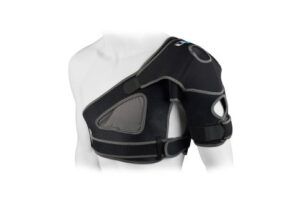 |
| Shoulder Support |
What it will not fix
Support garments reduce strain and provide useful feedback during activity, but according to NHS guidance, shoulder pain that does not improve within a couple of weeks, or that comes with significant weakness or restricted movement, is worth having properly assessed rather than managed with a support alone.
Pairing support with the right warm-up
A lot of summer shoulder pain comes down to going straight into overhead activity without preparing the joint properly. A short band of rotator cuff activation work before swimming or racket sports, even just a couple of minutes, makes a beneficial difference to how the shoulder holds up over a session.
A note on taping
As with the knee, some people use kinesiology tape over a shoulder support for extra sensory feedback during overhead movement. See trimbio's guide to taping for summer sport for the practical basics.
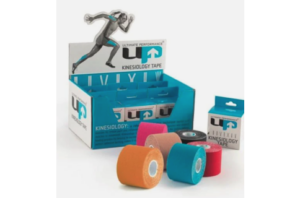 |
| Up Kinesiology Tape (5cm x 5m Roll) |
Quick answers
Can I keep swimming or playing tennis while wearing a shoulder support?
Mild cases often can, particularly with a lighter support, but reduce intensity and stop if pain increases during the activity itself.
How long should I wear a shoulder support for?
Most people use one during the activity that aggravates symptoms, then for shorter periods as things improve, rather than wearing it continuously.
Whether it is a few aches from a return to tennis or ongoing instability from an old injury, the right support keeps you moving through the season. Browse trimbio's full shoulder support range, or get in touch if you are not sure which option is right.