



NMES vs EMS: What's the Difference and Which Machine Do You Need?
NMES and EMS both use electrical current to make a muscle contract, and the two terms get used almost interchangeably in general conversation, which causes real confusion when someone is trying to buy the right machine. They are built for different jobs though. Here is the short answer, followed by everything you need to choose correctly between them for your clinic or training environment.
Quick answer
Both NMES and EMS use electrical stimulation to trigger muscle contractions using broadly similar technology, but NMES is aimed at clinical rehabilitation while EMS is generally aimed at fitness and muscle conditioning for people who already have full, healthy muscle function. The choice largely depends on whether you are treating a patient with a specific clinical need or training a healthy client who wants extra muscle work.
If in doubt, think about the starting point of the person in front of you. Someone recovering from surgery or injury, or living with a neurological condition affecting muscle activation, is in NMES territory. Someone healthy who simply wants to add stimulation on top of an existing training programme is in EMS territory.
What is EMS?
| Electrical Muscle Stimulation is most often used in a fitness context, helping athletes and gym goers add extra muscle work on top of their normal training routine. It is widely marketed directly to consumers, and home EMS devices and even EMS body suits have become popular in the fitness industry over recent years.
It is not typically used to treat a specific medical condition, and most EMS devices are designed with simpler, more generic settings suited to a general fitness audience rather than the precise, condition-specific parameters a clinician might need. |
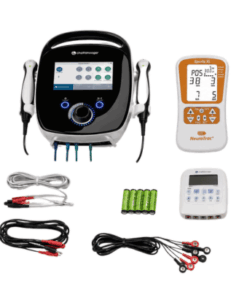 |
| Muscle Stimulation |
What is NMES?
Neuromuscular Electrical Stimulation has a clinical, rehab-focused purpose, and the machines built for it typically offer far more granular control over pulse width, frequency, and waveform than a consumer EMS unit. This level of control matters because rehab protocols are often built around very specific parameters for a specific condition.
It is used to reactivate a muscle that has weakened due to surgery, injury, immobilisation, or a neurological condition, essentially restoring a connection between brain and muscle that has been temporarily disrupted rather than simply adding load to an already functioning system.
Side by side comparison
Frequency ranges, pulse width, and typical users differ meaningfully between the two categories, even where the underlying hardware looks broadly similar. NMES units are generally used under professional supervision for a defined clinical outcome, with settings tailored to the individual patient and condition.
EMS units, on the other hand, are more commonly used independently for general conditioning, often following simpler preset programmes designed to suit a broad population rather than an individual clinical presentation.
When to choose EMS
EMS suits fitness settings, muscle conditioning work, and sports performance enhancement where the client already has full voluntary control of the muscle and simply wants additional stimulation layered on top of their existing training.
It is a reasonable choice for personal trainers and gym-based practitioners working with healthy clients who are curious about supplementary stimulation training, provided expectations are set correctly around what it can and cannot do compared with actual strength training.
When to choose NMES
NMES is the right choice for post-injury rehab, post-surgical recovery, neurological conditions affecting muscle activation, and structured muscle re-education programmes where the goal is restoring function rather than simply adding extra stimulus.
If a patient cannot yet fully activate a muscle voluntarily, whether due to pain inhibition after surgery or a neurological deficit, NMES is generally the more clinically appropriate and better evidenced choice.
Can one machine do both?
Some combination devices offer both NMES and EMS style programmes within the same unit. These can suit clinics that see a mix of rehab patients and sports conditioning clients, offering good value without needing two separate machines.
Dedicated clinical units still offer the most precise control for medical use though, so a busy rehabilitation-focused clinic may still prefer a purpose-built NMES machine over a combination device, particularly for more complex or unusual presentations.
What about TENS?
| TENS is worth mentioning to complete the picture, since it is often grouped with NMES and EMS in people's minds despite solving a different problem entirely. TENS targets pain relief through sensory nerves rather than muscle contraction, and does not produce the visible muscle contraction associated with NMES or EMS.
Many combination electrotherapy units include TENS alongside NMES or EMS programmes, giving practitioners flexibility to manage both pain and muscle activation from a single device where that suits the clinical picture. |
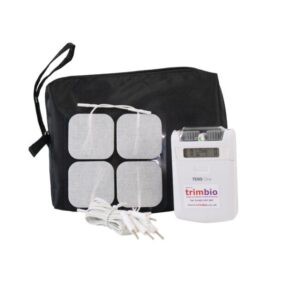 |
| TENS One Machine |
Which is right for your clinic or patient?
If you are treating a specific medical condition, NMES with proper clinical settings is the safer and more effective choice, backed by a stronger body of rehabilitation evidence for the outcomes you are trying to achieve.
If the goal is general conditioning for an already healthy client with full muscle function, EMS may be sufficient, and is often the more cost-effective and straightforward option for that particular use case.
FAQ
Is EMS as effective as exercise?
EMS is best used to supplement voluntary exercise, not replace it. It can add extra muscle work on top of a training programme, but does not deliver the same cardiovascular, functional, or coordination benefits as active training, so it should be positioned as an addition rather than a substitute.
Can NMES build muscle like EMS?
NMES is designed primarily for muscle re-education and preventing atrophy rather than building muscle mass from a healthy baseline, though it can genuinely support strength recovery during rehab by keeping a muscle active while voluntary strength work is being rebuilt gradually.
Which machine has more clinical evidence?
NMES has a larger body of clinical rehabilitation evidence behind it, particularly for post-surgical and neurological muscle re-education, reflecting decades of use in hospital and physiotherapy settings rather than the more recent consumer fitness market EMS has grown from.
Do I need different electrodes for NMES and EMS?
Electrode requirements are broadly similar for both, though placement and programme settings will differ based on the treatment goal. It is still worth checking your machine's specific electrode compatibility to ensure a reliable, comfortable contact.
Can patients use EMS at home safely?
Generally, yes, for healthy adults following manufacturer guidance, though anyone with an existing medical condition, implant, or uncertainty about suitability should check with a HealthCare Professional first before starting independent use.
See trimbio's NMES and muscle stimulation range to find the right unit for your rehab or training needs.