What is an NMES Machine? A Complete Beginner's Guide to Neuromuscular Electrical Stimulation
What is an NMES Machine? A Complete Beginner's Guide to Neuromuscular Electrical Stimulation
What is an NMES Machine? A Complete Beginner's Guide to Neuromuscular Electrical Stimulation
Neuromuscular electrical stimulation, or NMES, is one of the most useful tools in a rehabilitation clinic when a muscle needs help firing again. It sits alongside manual therapy and exercise as a way to bridge the gap between an injury and a patient's ability to move under their own control. This guide explains what NMES machines do, how they differ from TENS, who tends to use them day to day, and what to look for before you invest in one for your practice.
What is NMES?
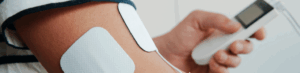
NMES uses electrical impulses delivered through surface electrodes to stimulate the motor nerves that control a muscle, causing it to contract in a way that closely resembles a voluntary movement. Unlike normal exercise, where the brain sends the signal to the muscle, NMES bypasses that pathway and triggers the contraction directly through the device, which makes it particularly useful when a patient cannot yet activate a muscle on their own.This is why NMES has become such a mainstay of rehabilitation practice rather than a niche add-on. It gives a clinician a way to keep a muscle working, and to some extent keep it 'talking' to the nervous system, during periods when voluntary movement is limited by pain, swelling, surgery, or neurological impairment. Used well, it can shorten the gap between injury and a return to normal, active rehabilitation.
How NMES differs from TENS
TENS and NMES devices often look almost identical from the outside, which is part of why the two get confused so often, but the clinical goal behind each is completely different. TENS targets sensory nerves to manage pain, working on the theory that a strong sensory input can help dampen the perception of pain signals travelling to the brain.NMES, by contrast, targets motor nerves specifically to produce a visible muscle contraction. Where TENS is about calming a nervous system that is overreacting to pain, NMES is about waking a muscle back up so it can do its job properly. Understanding this distinction matters clinically, since choosing the wrong modality for the wrong goal will simply waste treatment time.
NMES is a core tool for physiotherapists, sports therapists, and rehab clinics working with patients recovering from surgery, injury, or neurological conditions. It is just as likely to be found in an NHS outpatient department as it is in a private sports injury clinic, since the underlying clinical need it addresses, restoring muscle function, comes up across almost every setting.It is also used by athletes and strength and conditioning coaches for supplementary muscle conditioning work, generally alongside a full training programme rather than as a substitute for it. Some equine and animal therapy practitioners use adapted NMES protocols too, reflecting how broadly this technology has been adopted across rehabilitation disciplines.
Clinical uses of NMES
Common applications include post-surgical muscle re-education following knee or shoulder surgery, where the quadriceps or rotator cuff muscles in particular can become inhibited and slow to reactivate even once a patient is cleared to move again. NMES gives a direct way to keep these muscles firing while formal strength work is still being built back up gradually.Beyond post-surgical work, NMES is widely used in stroke rehabilitation to help reactivate weakened muscle groups affected by the neurological event, in preventing muscle atrophy during periods of immobilisation such as prolonged bed rest or cast immobilisation, and in supporting sports performance work as a genuine supplement to voluntary exercise rather than a replacement for it.
What does an NMES session feel like?
Patients typically describe a tingling sensation that builds into a visible muscle contraction as intensity is increased. For most people this is an unfamiliar sensation the first time they experience it, so it is worth talking patients through what to expect before the first session rather than letting them be surprised by it.Session length varies by protocol and by the condition being treated, but most clinical sessions run between ten and twenty minutes, often repeated several times a week during an active rehab phase. As patients get used to the sensation, tolerance for higher intensities, and therefore stronger, more useful contractions, tends to improve session by session.
Key settings to understand
Pulse width, frequency, and intensity all affect how a contraction feels and how fatiguing it is for the muscle being treated. A longer pulse width can recruit more muscle fibre but may also feel less comfortable, so most clinicians balance these settings against what the patient can realistically tolerate for the full session.Waveform type also matters: biphasic waveforms are the most common in clinical NMES units because they alternate current direction, which reduces the risk of skin irritation building up under the electrodes during longer or more frequent treatment courses. Understanding these settings, rather than just relying on factory presets, is part of what separates confident NMES use from simply pressing a button.
Who should not use NMES
NMES is contraindicated for patients with pacemakers or other implanted electrical devices, if applied locally, it can be used under guidance of a Healthcare Professional in other areas of the body. This is because the electrical current involved could interfere with how these devices function. It should also be avoided during pregnancy over the abdomen or lower back, and over areas of active cancer, where stimulating tissue growth or blood flow is not appropriate.Always screen patients thoroughly before starting treatment, including a check for any metal implants near the treatment area, epilepsy, and any skin conditions that might make electrode placement unsuitable. A quick, structured screening process at the start of every new patient is essential, ensuring you check all contraindications.
What to look for in an NMES machine
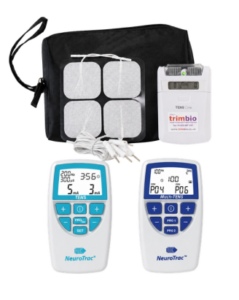
Consider the number of channels needed for your caseload, since a single channel unit will only stimulate one muscle group at a time, while a dual or multi-channel unit allows several areas, or both sides of the body, and also to treat antagonistic and agonistic muscles, (opposing muscles - such a bicep and tricep) which helps build balanced functional control.Portability matters too if you work across multiple sites or visit patients at home.Also think about whether you need clinical-grade or home-use specification, and whether the unit has enough preset programmes for the conditions you treat most often. A machine with well-designed presets can save valuable time in a busy clinic, while still allowing manual override for practitioners who want full control over the parameters.
FAQ
Is NMES the same as EMS?
Not quite. NMES is used clinically for rehabilitation and muscle re-education under professional guidance, while EMS is the term more often used for fitness and general muscle conditioning in a non-clinical setting. The underlying electrical technology overlaps significantly, but the clinical intent, and often the specific settings used, differ.
Can NMES be used at home?
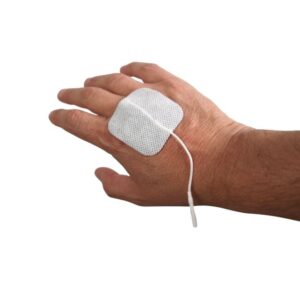
Yes, many patients are prescribed home NMES units to continue rehab between clinic sessions, which can meaningfully speed up progress by keeping the muscle active daily rather than only a few times a week. Electrode placement should always be set up by a qualified practitioner first, with clear written instructions for the patient to follow independently.
This depends entirely on the condition being treated. Post-surgical rehab protocols often run for several weeks as part of a structured programme, while short-term muscle re-education for a less complex issue may need considerably fewer sessions. Your Healthcare Professional will set a plan based on your specific surgery, injury, or presentation, and will review progress regularly to adjust the plan as needed.
Does NMES hurt?
Most patients find NMES uncomfortable rather than painful, particularly as intensity increases to produce a strong, useful contraction. The sensation is unfamiliar rather than distressing for most people, and settings can always be adjusted to a level that feels manageable while still being clinically effective.
Can I use NMES and TENS together?
Yes, many combination units allow both modalities within the same device, and some rehab protocols specifically use TENS for pain control alongside NMES for muscle activation, particularly in the early, more painful stages of recovery from surgery or injury.Browse trimbio's full range of NMES and muscle stimulation machines, or get in touch with the team for advice on the right unit for your clinic.