


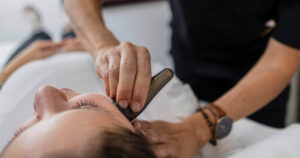
Massage Balls vs Gua Sha: Simple Recovery Tools Worth Trying This Summer
Self-massage tools have had a real moment over the past few years, and two of the most searched-for are massage balls and gua sha tools. They are not interchangeable, though, and which one helps depends on what you are actually trying to achieve.
What a massage ball actually does
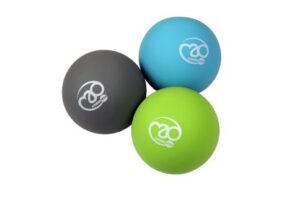
A massage ball works through direct, sustained pressure on a specific point, commonly known as trigger point therapy. Leaning your bodyweight onto a ball placed against a tight spot, whether that is a tense shoulder, a tight glute, or the arch of the foot, applies focused pressure that a hand or foam roller cannot easily replicate.
Lacrosse balls are a popular choice because they are firm enough to get into smaller, harder-to-reach muscles like the glutes or feet, where a softer ball does not apply enough pressure to make a real difference.
 |
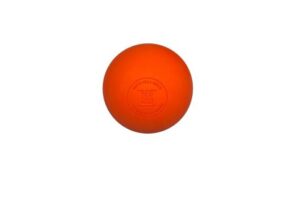 |
| Massage Balls TPR Set 6cm | Lacrosse Massage Trigger Point Myofascial Release ball 6.4cm |
What gua sha actually does
Gua sha tools, traditionally used in Chinese medicine and now widely adopted in sports and massage therapy, work differently. Rather than sustained point pressure, a gua sha tool is used to scrape firmly along the muscle, following the direction of the muscle fibres or fascia.
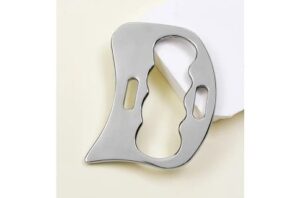 |
| Stainless Steel Gua Sha Massage tool |
This technique, sometimes called instrument-assisted soft tissue mobilisation in a clinical setting, is aimed at releasing tightness in the fascia, the connective tissue surrounding muscle, rather than the muscle itself. It is a genuinely different mechanism to a massage ball, not just a different shaped tool.
Not just a trend
Gua sha has had plenty of attention on social media, mostly for facial use, but the stainless steel tools used for body work are a long-established part of sports and remedial massage practice. Therapists use them for exactly the same reason a massage ball gets used: to release tightness that a hand alone struggles to shift. The trend has simply brought a genuinely useful technique to a wider audience.
Which one for what
Reach for a massage ball when there is a specific, localised tight spot, like a knot in the shoulder or tightness in the foot after a day on your feet. The sustained pressure approach suits deeper, more stubborn points.
Reach for gua sha when dealing with broader tightness across a muscle or area of fascia, such as a tight calf or forearm after a lot of activity, where a scraping motion across a wider area is more useful than a single point of pressure.
Plenty of people use both, depending on the day and the area that needs attention.
Using them safely
With a massage ball, apply pressure gradually and avoid leaning directly onto bone, joints or anywhere already inflamed. A bit of discomfort is normal, but sharp or worsening pain is a sign to stop.
With gua sha, work along the muscle rather than across it, keep the tool at a low angle rather than perpendicular to the skin, and avoid going over varicose veins, broken skin or recent injuries. Some redness on the surface is a normal short-term response to the technique, but it should settle within a day or so.
Quick answers
Do I need oil or lotion to use gua sha?
Yes, the tool should glide over the skin rather than drag, so a massage oil or lotion is recommended to avoid irritation.
How often can I use a massage ball on the same spot?
Daily use is generally fine for everyday tightness, though give an area a rest if it stays sore or tender beyond a day or two.
Neither tool replaces proper treatment for a genuine injury, but both are worth having for everyday tightness and recovery. Browse trimbio's massage balls and gua sha tools online, or ask the team for advice on what suits you best.