


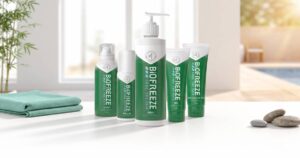
Cooling Gels for Summer Aches and Pains: What Actually Works
Warmer weather means more activity. More running, more gardening, more hours on your feet. It also means more aches and strains, and that is exactly where cooling gels come in.
Biofreeze is one of the most searched for names in topical pain relief, and it earns attention. It is a genuine option for short-term relief from muscle and joint pain, not just a marketing claim. Here is what it actually does, and when it is the right choice over ice or a painkiller.
What is actually in a cooling gel
Cooling gels such as Biofreeze gel use menthol as the active ingredient. Menthol triggers cold sensitive receptors in the skin, which creates a genuine cooling sensation and distracts the nervous system from the underlying pain signal. It is the same principle behind ice, without the mess, the time limit, or the risk of frostbite from leaving an ice pack on too long.
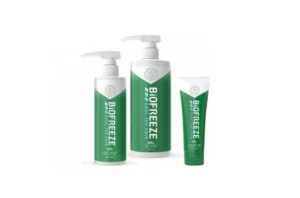 |
| Biofreeze Gel |
The cooling effect typically lasts a few hours. For most people, that is enough to take the edge off muscle soreness, joint stiffness or a minor strain while the body gets on with repairing itself.
When cooling beats ice, and when it does not
Ice is still the better option in the first 24 to 48 hours after an acute injury, where reducing swelling is the priority. A cooling gel will not bring swelling down the way a proper ice pack will.
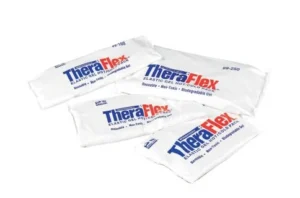 |
| Theraflex Hot and Cold packs |
Where gels earn their place is everything after that: general muscle soreness from exercise, stiff joints after a long day, or ongoing aches that do not need active swelling management. They are also far more practical when you are nowhere near a freezer, such as before a round of golf, on a long car journey, or packed in a kit bag for a weekend of sport.
Biofreeze gel is the most versatile option and works well for larger areas like the back or thighs, where even coverage and a longer-lasting application matter.
Where people reach for it most in summer
Common cases include calf and hamstring tightness after running in the heat, lower back stiffness from a weekend of gardening, and shoulder or forearm soreness after a few rounds of golf or tennis. None of these need medical intervention, but all of them benefit from quick, practical relief.
Using it safely
Cooling gels are for topical use only and should not go anywhere near broken skin, eyes or mucous membranes. Always patch test on a small area first, particularly the first time using a menthol-based product.
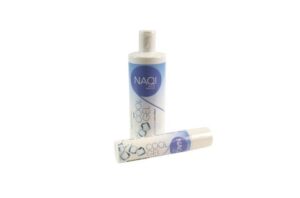 |
| Naqi Cool Gel Range |
If pain persists beyond a few days, gets worse, or comes with swelling, heat or restricted movement, that is a sign to get it looked at properly rather than relying on topical relief alone.
Quick answers
Can I use a cooling gel before exercise as well as after?
Yes, though most people find it more useful afterwards, for recovery rather than as a warm-up product.
How long does the cooling effect last?
Typically, a few hours per application, depending on the area and how much is used.
Summer puts more strain on the body than most people realise. A good cooling gel will not fix an underlying problem, but it is a genuinely useful tool to have on hand. Browse the full Biofreeze range at trimbio or contact the team if you'd like a recommendation based on your symptoms.