



Equiband UK: Supporting Core Stability, Posture and Muscle Engagement in Horses
Core strength has a direct impact on how a horse carries itself, moves through the back and maintains balance during work. For riders, trainers and equine physical therapists, the challenge often comes down to encouraging the horse to use the right muscle groups without forcing a shape or relying on gadgets that only change the outline.
The Equiband system offers a structured way to support core engagement during normal exercise. It can be used during in-hand work, lunging and ridden work, making it a practical option for horses in training, rehabilitation or general conditioning.
View the Equiband System Set at trimbio
What does Equiband help with?
The Equiband system uses elastic resistance bands attached to a specially designed saddlepad. The bands provide consistent proprioceptive feedback while the horse is moving. In practical terms, that means the horse receives a gentle, continuous cue that encourages awareness of the abdominal area, hindquarters and body position.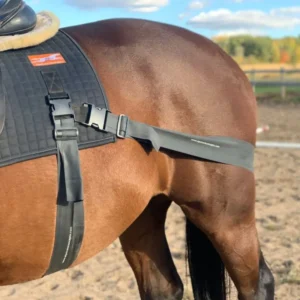
For many horses, this can help with:
- Core stability
- Postural control
- Hindquarter awareness
- Back stability
- Muscle engagement during movement
- Rehabilitation work under professional guidance
- Conditioning for ridden and non-ridden horses
It works best as part of a planned exercise programme rather than as a quick fix. The aim should always be better movement quality, not simply making the horse look more “together”.
How the Equiband system works
The system includes a saddlepad and two separate Equiband lengths. One band passes under the abdomen, sitting behind the rider’s leg. This abdominal band helps stimulate the muscles that support the horse’s back.
The second band passes around the hindquarters. Its role is to increase the horse’s awareness of hind limb placement and encourage better engagement through movement.
Used together, the bands give feedback without restricting the horse’s natural movement. This makes Equiband useful across a range of controlled exercise settings, including groundwork, lunging and ridden sessions.
Why core stability matters in horses
A horse with poor core stability may struggle to lift through the back, maintain straightness or work evenly through both sides. Some horses show this as a hollow outline, lack of impulsion, reduced hindquarter engagement or difficulty maintaining balance through transitions.
Core conditioning can support the deeper postural muscles that help stabilise the spine. For equine therapists and rehabilitation professionals, this matters because better stability can help the horse move with more control and less compensation.
For riders and trainers, it can support clearer, more consistent work. A horse that can use its body well has a better chance of developing strength in a balanced way.
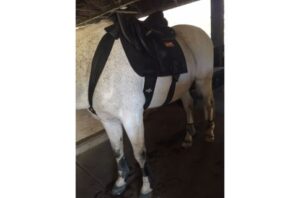 |
| Equiband System: Thoracic Sling Set |
Equiband for rehabilitation and professional use
Equiband is often used in rehabilitation settings, especially where a horse needs a gradual return to controlled exercise. It may also be useful for horses needing support with poor posture, reduced engagement or asymmetrical movement patterns.
As with any rehabilitation tool, it should be introduced carefully. Horses recovering after injury, surgery or diagnosed back conditions should follow a programme created with a vet, equine physiotherapist or qualified rehabilitation professional.
The goal is not to make the work harder. The goal is to make the horse more aware of how it is using its body.
What research says about elastic resistance bands
Research into elastic resistance band training in horses has found encouraging results around dynamic stability. A Royal Veterinary College study looked at a four-week exercise programme using elastic bands attached to a modified saddlepad. The study reported changes that suggested increased dynamic stability of the vertebral column during trot work.
The research also noted that the system could be used during in-hand, lunge and ridden exercise, making it suitable for everyday training routines when fitted and used correctly.
This matters because it supports what many equine professionals are looking for: tools that fit into normal work, provide measurable value and help horses develop better movement patterns over time.
When might Equiband be useful?
Equiband may be considered for: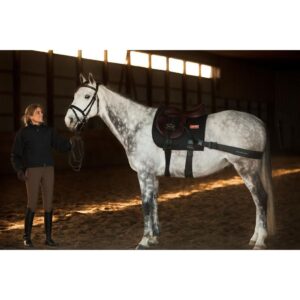
- Horses needing improved core engagement
- Horses returning to work after a period off
- Horses with poor posture or weak topline development
- Horses that struggle to work through the back
- Rehabilitation programmes led by a qualified professional
- Young horses starting controlled strengthening work
- Competition horses needing structured conditioning support
It can also be useful for therapists and trainers who want a repeatable way to add proprioceptive feedback into a horse’s programme.
Fitting and use: keep it gradual
Equiband should be introduced slowly. Start with short, controlled sessions and monitor the horse’s response. The bands should never cause distress, restriction or rubbing. Fit should be checked each time, especially if the system is used on more than one horse.
For first use, many professionals prefer to introduce the bands during quiet in-hand work before progressing to lunge or ridden work. This gives the horse time to understand the sensation and settle into the feedback.
Good practice includes:
- Checking the horse is comfortable before use
- Making sure the bands sit correctly
- Starting with short sessions
- Avoiding overuse
- Watching for changes in posture, rhythm and relaxation
- Getting professional guidance for rehab cases
Used well, Equiband should support better work. It should never replace correct training, assessment or veterinary care.
Choosing Equiband in the UK
For UK riders, trainers and equine therapists, access to reliable equipment matters. The Equiband System Set available through trimbio includes the saddlepad and two separate Equiband lengths, with size options to suit different horses.
The saddlepad is ergonomically shaped to help avoid restriction around the wither and lower back regions. The Equiband itself is latex-free rubber, designed specifically for use on horses.
Shop the Equiband System Set at trimbio
Final thoughts
Equiband can be a valuable part of an equine conditioning or rehabilitation programme when used with care. It gives the horse consistent feedback during movement, encouraging better awareness through the core, back and hindquarters.
For riders, it can support stronger, more balanced work. For trainers, it offers a practical tool for developing posture and engagement. For equine physical therapists, it can sit neatly within structured rehabilitation and strengthening plans.
As always, the best results come through correct fitting, gradual use and a clear plan suited to the individual horse. Get in touch with the team to discuss the right setup for your horse.